Interest in sustainable farming approaches has surged, especially within hyper-arid environments where acute water shortages make food security a pressing priority. This increased focus arises from the goal of agricultural independence in light of geopolitical volatility, rising population numbers, climate disruption, and the drive to decrease reliance on imported food. The present work investigates novel, data-centric methods specifically engineered for agriculture under such demanding circumstances, concentrating on the exploitation of CO₂ enrichment to amplify resource efficiency by accelerating plant development and fine-tuning input application within closed greenhouse structures. Within this study, a data-driven model predictive control (MPC) system is deployed in a greenhouse context to refine irrigation timing. The primary emphasis lies in harnessing the capability of an extreme gradient boosting (XGBoost) model to project real-time transpiration fluxes, accounting for the complex interdependencies between microclimatic variables and physiological shifts that influence transpiration. The XGBoost framework is designed to ingest microclimate observations—namely solar radiation, internal air temperature, internal relative humidity, and internal CO₂ molar fraction—as well as vegetation indices extracted from hyperspectral reflectance measurements, including NDVI, WBI, and PRI, all serving as forecasting inputs. The predictive model achieved strong fidelity, registering an R² of 97.1% alongside an RMSE of 0.417 mmol/m²/s for transpiration rate estimation. The trained XGBoost is subsequently embedded into the MPC scheme to steer irrigation delivery while upholding target soil water status. This integrated controller is then applied to govern watering tactics across two differing CO₂ supplementation settings: 400 ppm and 1000 ppm. Outcomes from this work reveal that the MPC-driven irrigation regime yields a 42.2% reduction in water use across a one-week forecast horizon when contrasted with the baseline irrigation protocol, irrespective of CO₂ level. Moreover, operating the MPC controller under the distinct CO₂ regimes shows a 34% decrease in water consumption at the 1000 ppm enrichment level relative to the 400 ppm condition. These findings highlight the value of MPC within enclosed greenhouse facilities, stressing the gains offered by advanced predictive analytics, multi-source data fusion, and continuous receding-horizon optimization for realizing superior irrigation regulation. The work equally accentuates the role of CO₂ fertilization in sealed agricultural greenhouses—particularly in zones subject to intense solar irradiance—as a potent measure for curbing water expenditure.
Set against a backdrop of mounting international tension over freshwater reserves, made worse by climate shifts, the agricultural domain occupies a central position, being responsible for roughly 70% of all water extractions. With the expansion of the human population triggering higher food requirements, water shortages—especially within farming—constitute an increasingly urgent dilemma. Irrigated acreage, representing 18% of the planet’s cultivated land, plays an indispensable part by supplying half of global food production and delivering yields 2 to 3 times greater than those of rain-dependent fields [1-3].
Yet, the productive use of water remains problematic, with appraisals suggesting that barely half the diverted volume actually arrives at the crop root zone, the rest being dissipated during conveyance from source to final plant [4]. An additional 50% of applied irrigation water goes to waste owing to shortcomings inherent in delivery systems [5]. Overcoming these inefficiencies and boosting water productivity demands the adoption of precision irrigation. This concept implies supplying crops with precisely the required water volume at the right place and moment, a goal necessitating sophisticated sensing and actuation platforms [6].
Irrigation configurations fall into open-loop or closed-loop control categories. Open-loop architectures operate without sensory feedback, rendering them inherently less accurate and incapable of accommodating fluctuating environments, whereas closed-loop designs exploit feedback signals to enact instantaneous corrections, thereby achieving markedly more exact and resource-efficient watering outcomes [7]. A spectrum of control paradigms can be brought to bear on irrigation regulation, among them proportional-integral-derivative (PID) control, fuzzy inference, adaptive regulation, and model predictive control (MPC). PID regulators, albeit widespread throughout industry, are ill-equipped to cope with nonlinear system dynamics, operational limits, and stochastic disturbances; they are fundamentally suited only to single-input single-output plants [8]. Fuzzy logic schemes depend on domain expertise and do not reliably converge to globally optimal decisions [9]. Furthermore, constructing fuzzy rule bases and inferring defuzzified control actions constitutes a painstaking and protracted procedure [10, 11]. Model reference adaptive strategies fare poorly when confronted with nonlinear process characteristics and raise concerns linked to closed-loop stability and parametric robustness [12].
Model Predictive Control (MPC) has come to prominence over the last three decades as a potent closed-loop methodology, proficient at managing multi-variable constrained optimization challenges across a breadth of industrial sectors. In direct contrast to PID, MPC is inherently capable of governing multi-input multi-output dynamics, accommodating nonlinear system representations, and explicitly respecting operational constraints [8]. By employing a predictive process model to anticipate the plant’s forthcoming trajectory, MPC derives a sequence of actuation commands during every discrete time step, though solely the initial command of that sequence is ever imposed. This entire computation is persistently refreshed by incorporating the latest available plant state information [13]. Despite its pervasive penetration in industrial domains, MPC adoption within the agricultural sphere, and specifically within the subfield of irrigation control, remains comparatively scarce. A handful of recent investigations have begun to underscore its considerable potential in agrarian contexts, for example, in managing energy flows within controlled-environment greenhouses [14-18]. Likewise, MPC holds considerable promise for irrigation scheduling owing to its capacity to preemptively recalibrate watering plans to sustain a specified soil moisture target [19]. Irrigation-centric MPC can assimilate contemporaneous soil water content readings, atmospheric forcing variables, and crop developmental status to project impending plant water demand and synthesize a water-minimizing irrigation sequence. The formulation can also explicitly embed restrictions on the supply side—such as volumetric availability, source water quality, or distribution network throughput—to guarantee the long-term viability of the generated schedule. MPC-based irrigation planning confers several distinct advantages relative to conventional time-based scheduling heuristics, which often lack the flexibility needed to track the inherently fluid character of crop physiological behavior [20, 21].
Seeing that a large share of the studies on MPC for greenhouse irrigation governance rests on the hydrological mass balance, resorting to mechanistic or empirical surrogates for the evapotranspiration term, a clear imperative emerges to investigate a more exacting route for inferring soil moisture conditions. Attaining this precision calls for the direct measurement of evapotranspiration, subsequently woven into the hydrological mass balance framework. To bridge this identified knowledge void, the present investigation sets out to engineer an original data-driven model predictive control (MPC) system for automated irrigation supervision. This construct fuses a physical model that captures soil moisture transients via a hydrological mass balance with a data-driven component that forecasts transpiration from microclimatic and physiological variability. Accordingly, the principal original contributions of this study are:
• Formulating a data-driven MPC architecture that merges a physical description of soil moisture dynamics with the fluid incorporation of a data-driven transpiration estimator.
• Crafting a data-driven transpiration prediction model that harnesses microclimatic variables jointly with vegetation indices extracted from hyperspectral imaging as explanatory features.
• Applying the MPC construct to project the consequences of distinct CO₂ enrichment scenarios (400 ppm serving as ambient baseline and 1000 ppm as a conventional elevated level) on watering schedules.
The body of research addressing model predictive control (MPC) for irrigation management reveals a broad spectrum of methodologies grounded in both data-driven and process-based representations of the hydrological mass balance, with particular attention to the evapotranspiration component. Lozoya et al. [22] implemented MPC within a closed-loop irrigation context, embedding a soil moisture regulation scheme that draws on a hydrological mass balance accounting for water gains and losses, with evapotranspiration approximated via the FAO Blaney-Criddle formulation. The optimisation objective in that study was to drive the discrepancy between the process output and the reference soil moisture value to a minimum. In a comparable vein, Mao et al. [23] constructed an MPC formulation likewise founded on soil water balance, yet operating with a target zone for soil moisture rather than a single fixed reference. Quimbita et al. [24] also drew upon the hydrological mass balance but oriented their work toward a distinct goal, namely reducing the energy expenditure tied to running the irrigation infrastructure, while employing the FAO-56 PM approach for evapotranspiration computation. Cáceres et al. [25] similarly deployed an MPC structure describing soil water dynamics, yet shaped the optimisation around an economic criterion that jointly considers energy tariffs and water costs. Shang et al. [26] put forward a robust MPC scheme for irrigation that couples a mechanistic portrayal of soil moisture evolution with a data-driven module quantifying the uncertainty surrounding evapotranspiration and rainfall. Even so, that investigation still resorted to a temperature-based mechanistic submodel for evapotranspiration forecasting. Saleem et al. [27] and subsequently Delgoda et al. [19] sought to curtail the root zone soil moisture deficit through MPC, incorporating a physically based water balance representation with evapotranspiration values derived from the FAO56-PM model, later augmented by the inclusion of weather forecast uncertainty. Abioye et al. [28] designed an MPC regulator for a drip irrigation setup, capitalising on real-time soil moisture readings, the FAO56-PM model for reference evapotranspiration calculation, and image-based crop coefficient retrieval, thereby refining evapotranspiration estimates relative to earlier works. More recently, Agyeman et al. [29] presented a data-driven, learning-based predictive irrigation scheduler built upon long short-term memory (LSTM) networks, which offer computational tractability for modeling root zone soil moisture dynamics. That contribution underlined the promise of weaving machine learning into the fabric of precise soil moisture forecasting, extending the foundations laid by prior mechanistic and empirical constructs. Expanding on the theme of boosting irrigation system accuracy, Carreño-Zagarra et al. [30] advanced a robust MPC formulation augmented with disturbance observers capable of fortifying system resilience against uncertainties. Collectively, these contributions foreground the mounting impetus to assimilate sophisticated data-driven techniques within MPC frameworks for irrigation planning, enhancing both the fidelity and robustness of water management systems operating under fluctuating environmental regimes.
Every MPC formulation devised for irrigation control leans on some hybridisation of empirical and mechanistic descriptions to capture soil moisture status and the overarching hydrological mass balance, most critically the evapotranspiration flux. Achieving high-fidelity evapotranspiration estimates is of fundamental importance in this arena to faithfully track soil water content and, by extension, to formulate an optimal watering plan. Although a variety of mechanistic and empirical formalisms can be pressed into service for evapotranspiration modeling, the embedded assumptions may restrict their transferability across disparate cropping systems and climatic contexts, compelling meticulous calibration. Consequently, it is advisable to contemplate estimating a select set of pivotal model parameters—such as the leaf area index or even directly gauged evapotranspiration rates—to sharpen the accuracy of hydrological balance evaluations [31, 32].
This investigation comprises the creation of a model predictive control scheme customised to govern irrigation within a sealed greenhouse featuring CO₂ supplementation. The MPC structure pairs a transpiration rate forecasting model with a rolling optimisation routine. Transpiration projection hinges on the deployment of the extreme gradient boosting (XGBoost) algorithm, capturing the complex interdependencies among microclimatic drivers, plant physiological states, and transpiration behavior. Assimilating both microclimatic observations and vegetation indices is vital for dependable transpiration forecasting, since microclimatic parameters describe the environmental forces propelling water loss, while vegetation indices convey the plant’s physiological condition and adaptive reactions. In combination, they furnish a more holistic picture of plant-environment interactions.
The experimental facility is located in Al-Shahaniya, Qatar, inside a Venlo-style greenhouse clad with 4 mm tempered glass and offering a net cultivation area of 715 m². The trial centres on cucumber production within this regulated enclosure. The greenhouse’s internal climate is modulated by an HVAC unit, establishing a sealed air recirculation loop. To sustain favourable growing conditions, cooled air is delivered in a targeted manner through 15 flexible conduits arranged beneath the cultivation gutters. In addition, carbon dioxide (CO₂) supplementation is provided via three LPG-fired combustors situated inside the greenhouse. The CO₂ produced is routed toward extraction ductwork and then introduced into the air handling unit (AHU) for temperature conditioning. This thermally treated air is subsequently recirculated back into the growing compartment, yielding a tightly controlled cultivation atmosphere.
Hydroponic culture was adopted for its well-documented water economy advantages, with plants raised in a cocopeat growing medium to promote root zone aeration and water-holding ability. This pairing of environmental regulation and soilless cultivation establishes a distinctive platform for examining and fine-tuning irrigation management systems, a matter particularly relevant to locales subjected to high solar radiation loads.
Variables describing the microclimate—solar irradiance, air temperature inside the greenhouse, relative humidity, and CO₂ mole fraction—were logged at a 5-minute sampling cadence throughout each full day. The instrumentation employed for this purpose consisted of the Hoogendoorn aspirator box, which houses electronic sensing modules, and the Hoogendoorn meteorological unit fitted with a pyranometer (Figure 1a). Concurrently, hyperspectral scenes were collected daily with the HSC-2 SENOP hyperspectral imager, which provides a capacity of up to 1000 spectral channels spanning the visible to near-infrared interval covering 400–1000 nm. The imager, depicted in Figure 1b, was affixed to the greenhouse wall in a fixed orientation. Leaf-scale gas exchange readings were accumulated through uninterrupted monitoring every 2 s for stretches reaching 9 h per day, between 7 am and 4 pm. This temporally dense record is indispensable for resolving the daytime variability in transpiration flux. Gas exchange surveys were directed exclusively at fully expanded, sunlit foliage situated at the crown of the canopy. The acquisition of gas exchange data was realised through the CIRAS-3 portable photosynthesis apparatus (PP systems), an instrument that simultaneously quantifies water vapour and CO₂ fluxes by means of infrared gas analysers (IRGA) (Figure 1c).
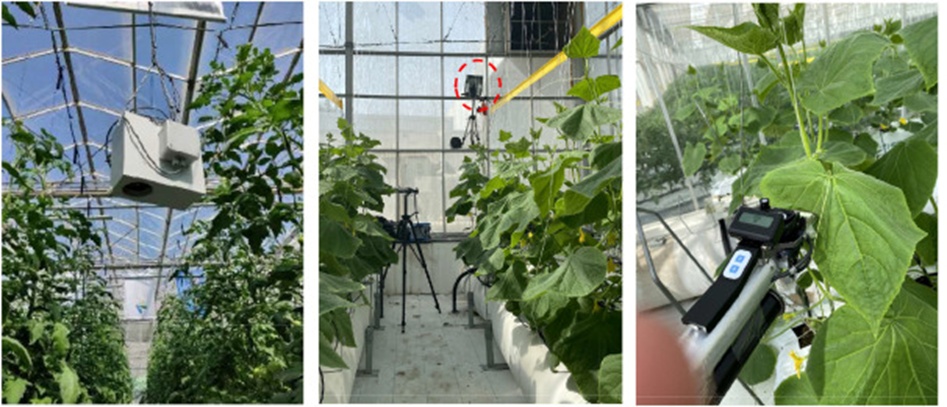
Figure 1. Equipment used for data collection in the greenhouse: a) Aspirator box, b) Hyperspectral camera, and c) Gas exchange measurement system.
Constructing the model involves a succession of steps. It commences with a preliminary data exploration, moves to the establishment of the XGBoost transpiration forecasting engine, proceeds to the formulation of the data-driven MPC together with its optimisation routine, and finally examines separate scenarios corresponding to CO₂ enrichment treatments of 400 ppm and 1000 ppm by means of the commissioned MPC framework. The two CO₂ concentrations, 400 ppm and 1000 ppm, were chosen to mirror ambient outdoor atmospheric composition and a routinely adopted supra-ambient level in covered crop production, respectively. Peer-reviewed literature identifies the 1000 ppm mark as beneficial for maximising photosynthetic carbon assimilation and harvestable yield in C3 species cultivated inside greenhouses, whereas 400 ppm functions as a reference that reflects the surrounding CO₂ environment.
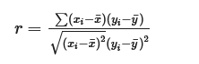
A first-pass examination of the gathered records was carried out with Pearson's product-moment correlation coefficient (r) (Eq. 1). Completing this stage before supplying inputs to the machine learning workflow is essential, as it helps distinguish the variables most strongly associated with the intended forecast outcome, i.e., transpiration. Additionally, inspecting the correlation structure among candidate predictors guards against the superfluous duplication of explanatory information in the model.
 (1)
(1)
Where x and x¯ correspond to the input variable and its computed mean, while y and y¯ correspond to the output variable and its computed mean.
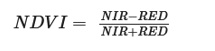
Hyperspectral frames go through a pipeline of preparatory manipulations, among them radiometric correction and pixel-wise classification to separate vegetation signals from the non-plant background, as described in Ghiat et al. [33]. Upon accurate segmentation of the plant canopy, spectral vegetation indices are computed from reflectance factors at specified wavelengths, laid out in Eqs. 2–4.
 (2)
(2)
 (3)
(3)
 (4)
(4)
Each index encapsulates a different facet of plant physiological condition and hydration. The normalized difference vegetation index (NDVI), assembled from near-infrared (NIR) and red reflectance, acts as a proxy for chlorophyll pigment density and overarching canopy greenness. The photochemical reflectance index (PRI), derived from visible-spectrum reflectance bands, serves to approximate the efficiency of photosynthetic energy conversion and the dynamics of light utilisation. The water band index (WBI), which draws on reflectance in the NIR and shortwave infrared (SWIR) regions, yields information about canopy water mass and can be applied to infer crop water status.
A model for projecting transpiration within the greenhouse is assembled by merging microclimatic descriptors, physiological readings, and hyperspectral-derived inputs, all of which are subjected to thorough examination through the extreme gradient boosting (XGBoost) framework. The rationale behind opting for XGBoost as the predictive core of the MPC system rests on its proven performance edge over competing machine learning approaches—specifically deep neural networks (DNN) and support vector machine regression (SVR)—as established in earlier work by the same research group [33].
The microclimatic variables fed into the model consist of solar radiation, greenhouse internal air temperature, relative humidity, and CO₂ molar concentration. The hyperspectral imagery undergoes processing and inversion to yield three spectral vegetation indices, each tracing a distinct biophysical trait of the vegetation—broadband photosynthetic canopy cover, canopy water content, and photosynthetic light-use efficiency. These extracted indices are the normalized difference vegetation index (NDVI), the water band index (WBI), and the photochemical reflectance index (PRI).
XGBoost, an advanced and computationally efficient realisation of the gradient boosting principle, was chosen for its adeptness at coordinating multiple weak predictive learners to assemble a high-accuracy ensemble through iterative, stagewise fitting. A hallmark of the XGBoost formulation is its minimisation of a regularised objective function, a property that actively constrains model intricacy and suppresses overfitting [34]. In this study, the XGBoost algorithm is operationalised in Python v3.7, making use of the xgboost package. The full dataset is split at random, with 80% directed to training and the remaining 20% reserved for testing. Through hyperparameter tuning, the model configuration is settled with a maximum tree depth of 7, a subsample fraction of 0.7, a learning rate eta of 0.1, and 250 boosting iterations.
The predictive skill of the resulting XGBoost model is then appraised via three statistical measures: the coefficient of determination (R²), the root mean square error (RMSE), and the mean absolute error (MAE). R² acts as a central gauge, capturing the share of variation in the transpiration measurements that can be accounted for by the supplied microclimate and vegetation index predictors. An R² reading close to 1 signals that the model faithfully reproduces the observed data patterns. About RMSE, this index reflects the typical scale of departure of the predictions from the recorded values. Consequently, lower RMSE magnitudes correspond to reduced predictive bias, indicative of sound model behaviour. MAE represents the arithmetic average of the absolute deviations separating forecast and actual readings. This metric supplements RMSE by offering a performance yardstick that is more robust to atypical observations.
Model predictive control (MPC) makes it possible to fuse operational constraints, anticipatory signals, and both linear and nonlinear descriptions of system behaviour. The scheme is built from three building blocks: 1) a forecasting model; 2) receding-horizon optimisation; and 3) corrective feedback [13]. MPC computes an optimal forecast trajectory under a suite of limitations and prescribes the preferred control actions to be enacted at each sampling instant. Following the execution of the initial control action, a renewed optimisation problem is solved for the subsequent instant [35]. In the context of this work, MPC functions as an essential mechanism for refining and steering the greenhouse irrigation timetable. The workflow starts with the assembly of a transpiration projection module rooted in XGBoost, exploiting measurements acquired from three separate streams inside the greenhouse: the microclimate sensing network, the gas exchange analyser, and the hyperspectral imager (Figure 2). The XGBoost engine processes this varied data portfolio to deliver forecasts of transpiration rate. These forecasts, which mirror the dynamic physiological response of the crop to its micro-environment, are then routed into the MPC system. The soil-plant representation, operating as a physically based embodiment of the hydrological mass balance, is instrumental in enabling the smooth incorporation of XGBoost-generated transpiration forecasts into the MPC logic for deducing soil moisture status. This coupling lays the groundwork for the MPC framework to formulate instantaneous, optimised watering decisions by accounting for the reciprocal interplay between ambient growing conditions and crop transpiration. Applying the MPC system in this investigation is fundamental to securing optimal command over water application, most notably under contrasting CO₂ supplementation scenarios and fluctuating microclimatic regimes.
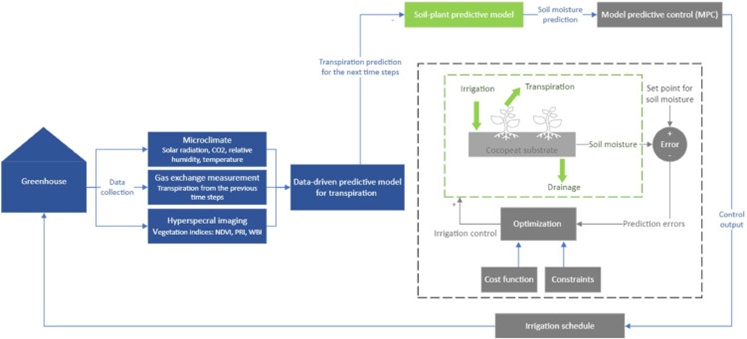
Figure 2. Methodology of the data-driven model predictive control (MPC) system.
The MPC algorithm draws upon a plant-soil dynamic description and an objective cost expression to compute the most suitable control moves for irrigation supply spanning a look-ahead window of one week. Within the MPC construct, the XGBoost module is leveraged to produce transpiration projections stated in mmol/m²/s. These projected transpiration volumes are subsequently totalled across a one-hour interval to project soil moisture content and refine the irrigation dose. The controller aims to keep the cocopeat substrate moisture in the neighbourhood of a 40% target, constrained between the upper bound of field capacity (89%) and the lower bound of the wilting point (23%), by incorporating these as hard limits. Surpassing field capacity leads to saturated, oxygen-depleted conditions, whereas falling short of the wilting point subjects the crop to moisture stress. The cost expression is charged with shrinking the gap between the anticipated and the target soil moisture trajectories over the full prediction span. The proposed framework is anchored in the hydrological mass balance, which captures the temporal shift in soil water storage as the net outcome of irrigation inflow, transpiration extraction, and drainage outflow. The coupled plant-soil dynamic module predicts the soil moisture θ at the next time step t + 1 in accordance with Eq. 5.
 (5)
(5)
Where θ denotes the volumetric soil moisture content, I is the irrigation water depth applied, T corresponds to the forecast transpiration loss, and D signifies the drainage flux, all referenced at time step t.
Embedded within the controller is an optimisation solver tasked with identifying the irrigation control sequence that minimises the sum of squared residuals between the model-generated values and the designated set point, formalised in Eq. 6. The MPC procedure starts by assigning initial guesses to the plant states and the control inputs. Subsequently, it loops through the model for each discrete time interval (1 hour) over the full prediction horizon (H). At each interval, the MPC routine examines the current plant condition together with the projected transpiration influence and exploits that information to settle on the best control action for irrigation supply (Figure 2).
 (6)
(6)
Subject to:
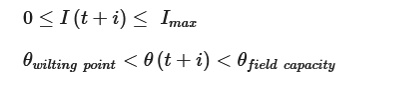
Where s(t+i) and yˆ(t+1) denote the reference setpoint and the model-projected soil moisture values, respectively.
The MPC tool is subsequently put to work to gauge how CO₂ enrichment shapes the irrigation plan. This is done by projecting transpiration fluxes for two prescribed CO₂ regimes—fixed at 400 ppm and 1000 ppm—using the XGBoost forecasting model. These projections are then fed without alteration into the already configured MPC pipeline, yielding a pair of distinct irrigation plans, each tied to one of the CO₂ concentrations. This approach intends to systematically explore the consequences of dissimilar CO₂ fertilisation scenarios for greenhouse operations, delivering fact-based guidance for selecting optimal CO₂ setpoints across a variety of environmental contexts.
The investigation's findings are partitioned into four discrete subsections. The initial subsection comprises the exploratory data examination, delivering perspective on the preliminary appraisal of model variables originating from the disparate data collections. The subsequent subsection zeroes in on the efficacy outcomes of the XGBoost algorithm, casting light on its proficiency in projecting transpiration magnitudes. The third subsection conveys the outputs derived from the MPC framework, accentuating its bearing on soil moisture evolution and watering sequences. Finally, the fourth subsection probes the ramifications of operating the MPC construct under a pair of contrasting CO₂ supplementation conditions, foregrounding the architecture's versatility across fluctuating environmental scenarios.
An initial scan of the assembled dataset brought to light a direct linkage between transpiration and incoming solar flux, alongside inverse associations with CO₂ molar abundance and atmospheric moisture content. The most forceful correlations involving transpiration were pinpointed for greenhouse CO₂ mole fraction, followed by outdoor solar irradiance. When subjected to strong radiative loading and elevated thermal regimes, vegetation amplifies transpirational water loss as a thermoregulatory strategy to ease the burden of heat strain. The reciprocal trend detected between transpiration and CO₂ availability can be rationalised by the stomatal constriction reflex elicited under CO₂-enriched surroundings. This physiological adjustment brings about a curtailment of water vapour escape through the transpiration pathway. By the same token, transpiration and relative humidity exhibited an antagonistic tendency, implying that amplified air moisture content suppresses evaporative water dissipation from foliage. It is noteworthy that spectral vegetation indices (VIs) registered sizeable correlations with transpiration. The water band index (WBI) stood out with a markedly direct correlation with transpiration, underlining its acute sensitivity to fluctuations in crop hydration conditions. By way of comparison, transpiration bore a more tenuous association with the normalized difference vegetation index (NDVI) and the photochemical reflectance index (PRI).
The empirical evidence attests that XGBoost is capable of rendering transpiration estimates with a substantial degree of exactitude, as catalogued in Table 1. The coefficients of determination (R²) registered for both the evaluation and fitting partitions attain elevated levels, demonstrating the model's competence in capturing the dispersion embedded in the logged transpiration measurements. An evaluation R² equalling 97.1% signals vigorous generalisation strength when exposed to fresh, previously unencountered samples, whereas a training R² reaching 97.6% underscores the algorithm's capacity to distil latent regularities from the corpus employed during the learning phase. In addition, the root mean square error (RMSE) and mean absolute error (MAE) statistics furnish a window into predictive exactness. The restrained RMSE readings of 0.417 mmol/m²/s (evaluation) and 0.381 mmol/m²/s (fitting) indicate that the algorithm's outputs reside in tight proximity to the empirically obtained transpiration figures, with modest deviations. Correspondingly, the MAE tallies of 0.226 mmol/m²/s (evaluation) and 0.213 mmol/m²/s (fitting) lend further credence to the model's fidelity in transpiration projection. The fact that both training and evaluation R² values remain elevated points to the model explaining a substantial fraction of outcome variability across both the calibration partition and the holdout set. Conspicuously high R² figures on evaluation data imply that the fitted relationship transfers reliably to novel observational instances. The subdued RMSE and MAE indicators additionally corroborate the strong model performance, signalling that forecasts lie close to measured targets with negligible discrepancies. As a whole, these diagnostic metrics suggest the XGBoost formulation not only assimilates the foundational structure residing in the calibration partition but also manifests resilient generalisation behaviour when confronted with unfamiliar data. The concurrence of steep R² figures alongside depressed RMSE and MAE magnitudes reinforces the trustworthiness and precision of the XGBoost architecture in forecasting greenhouse transpiration dynamics.
Table 1. XGBoost model performance.
XGBoost model | MAE (mmol/m2/s) | RMSE (mmol/m2/s) | R2 (%) |
Testing | 0.226 | 0.417 | 97.1 |
Training | 0.213 | 0.381 | 97.6 |
The engineered model predictive control (MPC) apparatus is enlisted to hone greenhouse irrigation sequencing by drawing on transpiration behaviour together with soil water content profiles. The overarching purpose of the MPC formulation is to converge upon the most advantageous watering programme that fulfils crop water necessities while preserving soil hydration within the corridor delimited by the wilting threshold and field saturation.
An on/off drip delivery network is operated within the facility to convey water and dissolved nutrients to the crop stand. The drip emitters are placed in immediate proximity to each individual plant and possess a throughput capacity rated at 3 L/h. The currently operative watering schedule practised inside the compartment is dictated by incident solar radiation. An integrated solar radiation sum of 180 J/cm² serves to activate the on/off dripper mechanism, dispensing water in bursts lasting 3 minutes. The actual irrigation routine is initiated one hour past daybreak and is terminated two hours in advance of dusk, thereby allowing sufficient gravitational drainage before the nocturnal interval. Water delivery activity attains its apex around solar noon, mirroring the ascent in solar radiative flux as rendered in Figure 3.
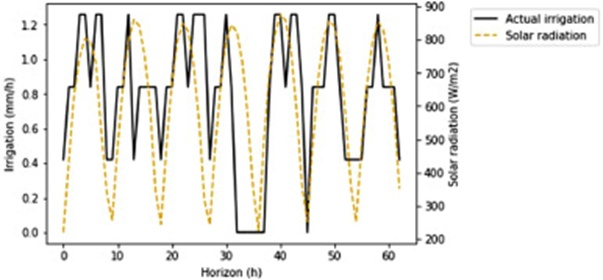
Figure 3. Actual irrigation schedule in the greenhouse.
The consequences yielded by the imposition of the MPC scheme for irrigation orchestration indicate appreciable water conservation amounting to 42.2% when placed alongside the baseline greenhouse irrigation protocol, as portrayed in Figure 4. The MPC construct proves successful in satisfying crop water requisites via the transpiration pathway while simultaneously regulating soil moisture within permissible limits, staying above the wilting threshold and beneath field capacity, anchored to a soil moisture reference of 40%. The MPC-dictated watering timetable closely follows the transpiration projection, which empowers accurate delivery of irrigation volumes. In this manner, the MPC framework subsumes a spectrum of microclimatic and plant-physiological determinants encoded within the transpiration forecasting element to supply the most favourable watering sequence for the crop. This arrangement facilitates a more refined irrigation supply, circumventing both surplus application and deficiency in water provision to the plants.
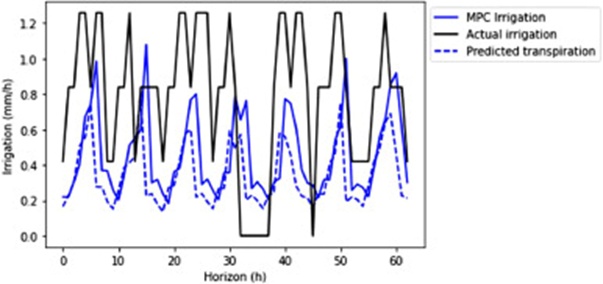
Figure 4. MPC irrigation schedule over a one-week horizon.
On the whole, the MPC irrigation plan advocates reduced dosing across the prediction span, save for intervals wherein the actual greenhouse schedule registered zero application (hours 33–38 and 46) (Figure 4). Protracted episodes of three hours or beyond characterised by absent actual irrigation possibly arise from a system disruption traceable to a hardware fault within the greenhouse irrigation infrastructure. Obstruction of delivery lines through the build-up of surplus salts, consequential to the reprocessing of drainage effluent, can precipitate a conceivable breakdown of the watering apparatus. The zero-application windows in the actual greenhouse schedule of merely a single hour's length were recorded at the commencement of the daytime period, hinting that the irrigation machinery had yet to begin operation. What is more, the MPC-generated schedule prescribes greater irrigation volumes than the actual regime across hours 14, 16, 52, 60, and 61. With respect to hours 14 and 16, equivalent to 11 AM and 1 PM of day 2 within the period under study, the forecast transpiration stood comparatively elevated for the preceding intervals on account of CO₂ mole fraction averaging beneath 700 ppm concurrent with solar irradiance in the neighbourhood of 850 W/m². Turning to hour 52, which corresponds to 1 PM of day 6, the moderately enhanced transpiration forecast from the antecedent interval finds explanation in a gentle decrease of relative humidity. Over hours 60 and 61, aligning with 12 PM and 1 PM on day 7, the MPC irrigation provision outstripped the actual greenhouse schedule. This circumstance was driven by the fairly elevated predicted transpiration magnitudes, moulded by depressed mean CO₂ levels (600 ppm) accompanied by strong solar radiative flux.
This observation brings into relief the benefits conferred by the utilisation of a data-driven MPC methodology for irrigation sequencing, as it takes cognisance of the shifting microclimatic milieu, most critically the CO₂ status, which constitutes a pivotal factor in the present inquiry. In contradistinction, the actual irrigation timetable factors in solar radiation alone and may prove inadequate in fully refining water delivery in the face of mutable environmental forcings. The evidence intimates that, in a broad sense, the actual greenhouse irrigation practice is conducive to over-application of water, a phenomenon potentially rooted in the failure to incorporate the influence of CO₂ supplementation. Furthermore, dependence exclusively on solar radiation for irrigation planning may, under certain circumstances, even engender suboptimal hydration, as borne out in this study where the water allotment proved insufficient to satisfy plant water demands, generally under regimes of comparatively depressed CO₂ abundance coupled with strong solar loading.
In addition, Figure 5 provides a visual demonstration that the MPC arrangement advanced here is capable of adapting to oscillations in microclimatic descriptors—as encoded through the transpiration forecasting module—and can amend irrigation delivery in a responsive, real-time fashion. The MPC irrigation profile exhibits an overarching tendency that shadows solar radiation, drawing attention to the indispensability of augmented irrigation provision under intense radiative forcing. Solar radiation furnishes the energetic impetus underpinning photosynthesis, which actuates the stomatal pore widening mechanism facilitating CO₂ acquisition. This latter sequence is inevitably accompanied by water vapour efflux in the form of transpiration. The irrigation programme endorses a more generous water supply during intervals of high solar irradiance to keep pace with plant water consumption and to uphold satisfactory soil moisture status in tandem with heightened photosynthetic carbon assimilation. Beyond that, elevated solar radiation loads can act to push up greenhouse interior temperature, its regulated state notwithstanding. Such a rise may amplify the vapour pressure deficit, a factor that could equally be held responsible for accelerated transpiration and, by implication, enlarged crop water needs.
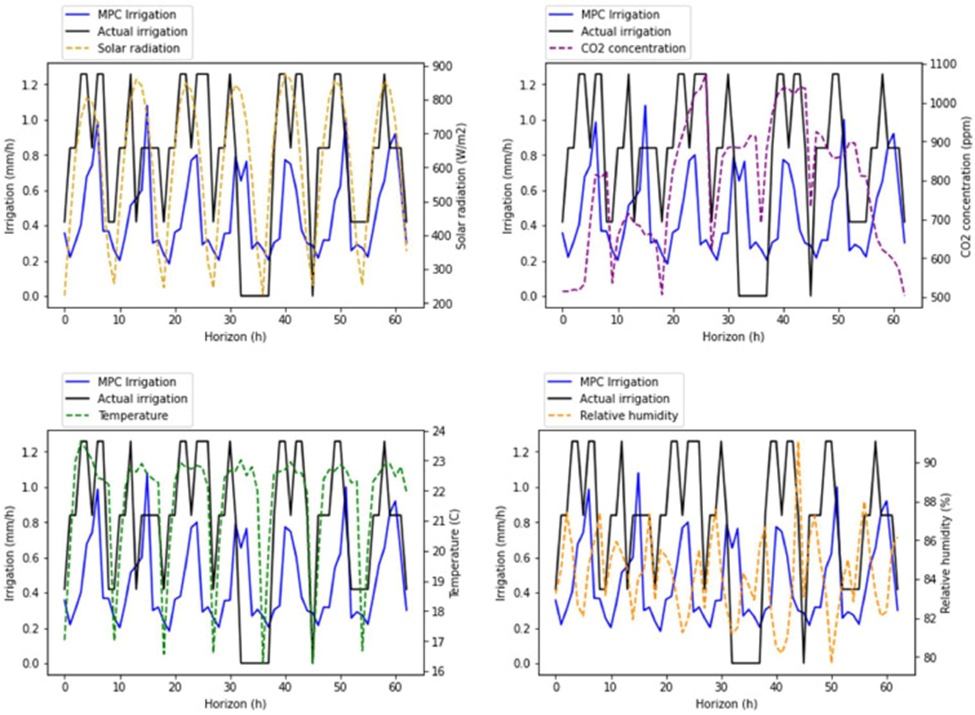
Figure 5. MPC irrigation schedule and microclimate over a one-week horizon.
Throughout intervals marked by enriched CO₂ atmospheres, crop transpiration fluxes are subdued, an effect that manifests as curtailed irrigation provisioning on the part of the MPC construct. Days 3 through 6 document comparatively diminished irrigation amounts, most conspicuously during the midday peaks, as a direct consequence of the intensified CO₂ supplementation spanning the 850–1000 ppm bracket. On the flip side, over days 1, 2, and 7, a period during which CO₂ concentrations are depressed (hovering around 600 ppm throughout the peak daylight hours), the crop water demand escalates, giving rise to amplified MPC irrigation peaks. Furthermore, the bearing of CO₂ supplementation on crop water utilisation and MPC-directed irrigation becomes more sharply defined during the heart of the day, at the time when photosynthetic activity attains its maximum intensity. The data indicate that the footprint of CO₂ enrichment grows comparatively fainter in the early morning and late afternoon, intervals over which transpiration rates are inherently modest.
Additionally, Figure 5 bears out that the MPC controller registered thermal oscillations and proved capable of calibrating irrigation in response. The dispensed water volume swells during high-temperature stretches to avert incipient plant water deficit. In opposition to this, the watering schedule contracted the irrigation amount over cooler stretches while continuing to safeguard satisfactory soil moisture thresholds. Moreover, a concurrent uptick in temperature and downturn in relative humidity is ordinarily pursued by an intensification in transpiration, a phenomenon ascribable to the magnification of the vapour pressure deficit that propels the plant towards amplified water loss. The mechanism underlying this behaviour is that as the ambient air undergoes warming, its ability to sequester moisture is enhanced, pushing up the saturation vapour pressure. At the same time, as relative humidity recedes, the actual moisture burden of the air diminishes, thereby carving out a more pronounced differential between the actual vapour pressure and the saturation vapour pressure. This differential constitutes the propulsive gradient that drives escalated transpiration rates.
Beyond the above, the evidence reveals that the MPC framework competently preserved soil moisture in the close neighbourhood of the designated setpoint of 40% and within the favourable operational band situated above the wilting point (32%) and beneath field capacity (89%) throughout the totality of the prediction window (Figure 6). Owing to this, the plants were furnished with their exact water requisites while a soil moisture regime conducive to minimising water deficit stress and maximising vegetative vigour was perpetuated. By and large, the MPC arrangement was able to uphold a steady soil moisture trajectory over the outlook horizon, devoid of pronounced vacillations. This attribute carries weight, as substantial undulations in soil water content can precipitate either deficit or surplus watering, events that translate into inefficient exploitation of finite water reserves. Fluctuations in soil moisture also bear on produce quality, as they may provoke the fruit to undergo rapid hydration or dehydration, a process that can culminate in tissue fissuring. The findings further divulge that at times when the soil moisture reading coincides with the optimal 40% setpoint, the MPC controller calls for a reduced irrigation dosage to perpetuate that condition, given that the growing substrate is already adequately charged with moisture. In contrast, whenever the soil moisture dips, the MPC scheme escalates the irrigation volume so as to bring the soil water content back up to the desirable level.
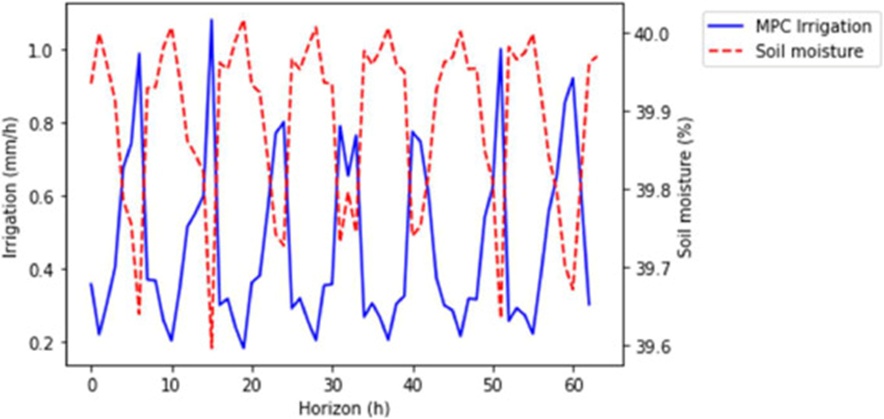
Figure 6. MPC irrigation schedule and soil moisture content over a one-week horizon.
When juxtaposed against antecedent contributions, for instance, Delgoda et al. [19], which showcased gains in water productivity through MPC-oriented approaches, and Cáceres et al. [25], which attained meaningful curtailments in water and energy expenditure via economics-centred MPC formulations, the present piece of work registers a more pronounced quantitative bearing on outright water conservation. The amalgamation of microclimatic observations and vegetation indices sourced from hyperspectral reflectance measurements played a role in securing superior prediction accuracy and more sizeable water savings, accenting the merit of cutting-edge, data-centric methodologies yoked to predictive control within the domain of greenhouse water governance.
The XGBoost engine, calibrated on microclimatic variables alongside vegetation indices, is brought to bear in anticipating the repercussions of CO₂ fertilisation on transpiration behaviour. Prognostications are generated for a pair of circumstances: 1) baseline CO₂ without enrichment at 400 ppm, and 2) CO₂ augmentation at 1000 ppm. The dominant tendency apparent in the transpiration forecasts points towards depressed rates under the 1000 ppm CO₂ supplementation scenario when placed alongside the 400 ppm reference. The data communicate that across the full weekly cycle, transpiration undergoes a contraction of 41.32% as a consequence of CO₂ enrichment at the 1000 ppm level. This abatement is attributed to the decline in stomatal conductance induced by heightened ambient CO₂ mole fractions. The mechanistic physiological underpinning is linked to the plant's facility for sustaining a comparatively inflated internal CO₂ partial pressure, which diminishes the imperative to retain stomatal apertures in a dilated state for gas exchange, thereby affecting water economy.
In parallel, the interconnection between MPC-determined irrigation and differing CO₂ fertilisation protocols within agricultural greenhouses is scrutinised. To be precise, the crop irrigation requirement is investigated by applying the identical MPC construct to a duo of CO₂ supplementation scenarios (400 ppm and 1000 ppm). This undertaking illustrates the manner in which the MPC apparatus can be harnessed to refine irrigation schedules for dissimilar operational circumstances, as visualised in Figure 7. The trial tallied an aggregate economy of 34% springing from the synergistic effect of boosting CO₂ concentration to 1000 ppm coupled with the operationalisation of the MPC framework. The gross savings realised through the MPC apparatus proved to be smaller than the standalone transpiration economies, which were computed at 41.32%. This disparity arises because the MPC arrangement was brought into effect under both CO₂ enrichment regimes, culminating in a lesser net decrement in water withdrawal, a result that further highlights the critical function of the MPC arrangement in honing irrigation schedules.
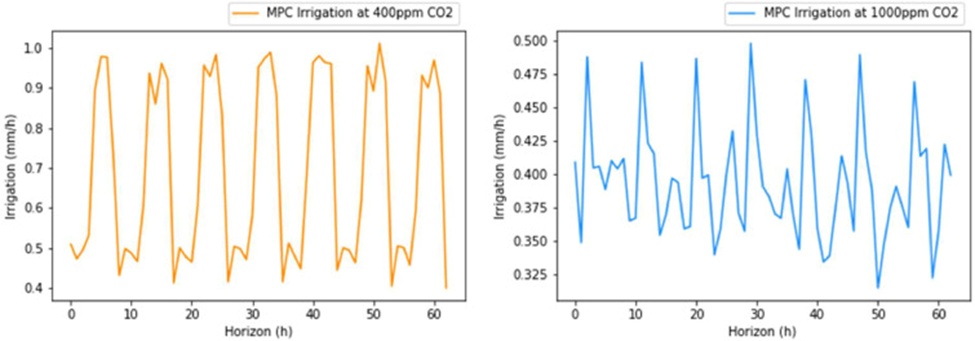
Figure 7. Application of MPC irrigation schedule to different CO₂ enrichment regimes.
The outputs derived from the MPC irrigation schedule construct a convincing argument in support of its pre-eminence over the actual watering timetable. The dynamical flexibility of the MPC controller in reacting to fluctuating microclimatic states, above all its sensitivity to CO₂ abundance, distinguishes it as a decisive asset. Set against this, the actual irrigation timetable, guided exclusively by solar radiative flux, manifests comparatively limited adaptability and harbours the potential to induce surplus water delivery. This throws into sharp relief the MPC framework's pronounced strengths, among which are its capacity to reconfigurably respond to shifting environmental determinants, most pointedly its attunement to CO₂ concentrations, along with its aptitude in finessing irrigation sequences for the purpose of heightened water productivity. These findings accentuate the criticality of weaving sophisticated control infrastructures, such as MPC, into the fabric of agricultural operations to grapple with the intricacies posed by volatile climatic influences and to contribute to the efficient stewardship of resources.
The constructive outcomes documented with the MPC irrigation strategy advanced here resonate with the wider current of investigation within precision agriculture and the management of resources in protected cultivation settings. While it is conceded that direct corroboration against studies embedding data-driven methods for irrigation governance is constrained, the foundational tenets and procedural techniques share substantial common ground with broader strides achieved in applied control theory within the agricultural sector. A raft of studies has validated the potency of advanced control architectures, in particular MPC, in dynamically tailoring irrigation schedules to contemporaneous environmental signals. Those bodies of work foregrounded the dividends flowing from the integration of refined models to steer enhanced irrigation choices [15, 27, 35]. Correspondingly, the factoring in of CO₂ enrichment within irrigation strategies finds conceptual consonance with other lines of inquiry that have probed the bearing of CO₂ on the optimisation of crop water economy and biomass accretion [36, 37]. This lends weight to the outcomes garnered in the present investigation, wherein CO₂ concentrations are adjudged to be of cardinal importance in attenuating plant transpiration fluxes and the ensuing hydrological mass balance that is woven into the MPC framework deployed for irrigation scheduling.
Oriented towards hermetically sealed greenhouse installations, the present inquiry advanced novel, data-anchored strategies, devoting concentrated attention to the harnessing of CO₂ fertilisation as a vehicle for amplifying water use performance. A data-driven model predictive control (MPC) formulation was brought into service to deliver optimal irrigation programming within the protected cultivation enclosure. A core feature of the endeavour resided in the assimilation of the extreme gradient boosting (XGBoost) algorithm, which rendered faithful forecasts of time-varying transpiration rates by accommodating the convoluted reciprocal sway of microclimatic drivers and physiological fluctuations. Exploiting microclimatic time series and vegetation indices harvested from hyperspectral reflectance imagery, the XGBoost module was fluidly interlaced within the MPC construct to assure accurate irrigation governance while simultaneously sustaining desirable soil water conditions. The evidence brought to the fore the weighty influence of MPC-anchored irrigation regulation, disclosing a pronounced 42.2% water economy across a one-week projection timeframe in comparison with the incumbent irrigation regime. In addition, the investigation uncovered a 34% abatement in water extraction with the MPC framework operating in conjunction with CO₂ enrichment set at 1000 ppm relative to the 400 ppm baseline. This result simultaneously underscored the promise held by MPC within enclosed greenhouse contexts and drew attention to the potency of CO₂ fertilisation as a worthwhile tactic for diminishing water expenditure in agriculture.
The authors acknowledge the support provided by Hamad bin Khalifa University, Education, City Doha, Qatar, a member of the Qatar Foundation. The research is funded by the Qatar National Research Fund (MME01–0922–190049).
None
None
None
Open Access The author(s) retain copyright. This article is licensed under the Creative Commons Attribution-NonCommercial-ShareAlike 4.0 International License. It may be shared and adapted for non-commercial purposes with appropriate attribution, an indication of changes, and distribution of adaptations under the same license. Third-party material may be subject to separate terms identified in its credit line. View the license at https://creativecommons.org/licenses/by-nc-sa/4.0/.
 Agro Intelligence Research Press