This manuscript describes the development of a robotic spraying unit that integrates artificial intelligence with robotic mechanisms to achieve optimal spray deposition on citrus nursery stock grown in indoor settings. The platform integrates an on-board firmware featuring the MobileNetV2 architecture, tasked with recognizing and categorizing plant instances at a perfect classification rate of 100%, a metric subsequently used to command variable-rate pesticide delivery based on foliar health condition. The disease identification framework was constructed via the edge impulse development environment and subsequently installed on a Raspberry Pi 4. The robotic unit traverses a grid of plants, pauses adjacent to each specimen, and acquires an image of the citrus subjects. This visual data is processed by the on-device embedded model to yield a health status inference, which then dictates the variable spray output during instantaneous actuation. To validate spray distribution performance in the cultivation setting, water-sensitive cards were placed within each plant’s canopy. Post-application, the water-sensitive card samples were retrieved and evaluated using a smart spray analysis tool to gauge both categorization precision and spray deposition extent on the citrus subjects. The findings from the robotic spray coverage trial indicate a mean coverage of 87 % on lemon foliage, as opposed to 67 % on navel orange specimens.
Agriculture is a fundamental sector underpinning human existence and serves as the economic pillar for most developing nations. Evidence suggests that declining crop output can be attributed in part to the relocation of the agrarian workforce to alternative industries in pursuit of better livelihood prospects, improved labor conditions, and access to educational safety nets and credit facilities. Consequently, future nutritional security is threatened as farm productivity continues to wane amid a swelling global population, projected to reach roughly 9.1 billion individuals by 2050 [1].
Correspondingly, cultivators face severe harvest reductions across multiple territories due to crop pests and pathogenic conditions. Given that pathogenic incursions into crops are a dominant factor curtailing agricultural output, prompt recognition of plant diseases is imperative to implement plant protection measures through chemical spraying. The shortage of manual farm labor, alongside the prevalence of crop diseases, necessitates the deployment of mechanized and robotic solutions for surveillance and chemical delivery.
Mechanization in agriculture through the integration of robotic systems into farming workflows promises to bolster operational efficiency, safeguard future nutritional security by reducing manpower and energy inputs, and concurrently advance ecological stewardship, thereby ensuring productive agrarian yields [2]. The advancement of automated agricultural machinery has seen considerable growth over the preceding decade, aiming to supplant manual operators. This expansive progression phase is predominantly driven by refinements in the sensory apparatus, declining hardware costs due to economies of scale, and the continual evolution of control logic, machine vision, and artificial cognition to enhance robotic efficacy. Within the agricultural domain, phytopathological disorders are the principal culprits behind production downturns, thereby causing fiscal damage [3]. Vegetation health hinges on a range of factors, including appropriate solar exposure, hydration, radicular vigor, substrate pH, and adequate nutrient supply. Nevertheless, the majority of invasions by etiological agents, when left insufficiently monitored and unmanaged, deteriorate both harvest quality and volume [4].
Agriculturalists encounter numerous impediments while striving to mitigate pathological outbreaks on their crops via pesticide deployment, as this undertaking demands extensive temporal investment and poses considerable threats to human wellbeing and ecosystem integrity tied to the chemical treatment of vegetation. In plant health surveillance, manual ocular inspection remains the predominant approach. A salient shortcoming of this technique lies in the constraint on the volume of botanical specimens that can be inspected, compounded by the inability to pinpoint diseases during nascent developmental phases due to the absence of observable indicators [5]. In contemporary practice, the use of computational vision and artificial intelligence in image analytics and forecasting for pest infestation and nutrient-deficit identification has surged to meet the escalating need for swift, accurate agricultural methodologies [6]. The imagery acquisition apparatus may be affixed onto a robotic chassis oriented towards the plant canopy sector, tasked with capturing specimen visuals whilst the conveyance progresses.
Prior scholarly endeavors concerning phyto-pathological identification have documented utilization of convolutional neural network architectures (CNNs) [7-15], streamlined CNN constructs [16], Vision Transformer (ViT) frameworks [17], generalized regression neural network (GRNN) paradigms, standard multiple regression (REG) models, support vector machine (SVM) classifiers [18], along with a resilient deep learning (DL)-centric methodology designated as ResNet-34-anchored Faster-RCNN [19]. The entirety of these investigations was conducted in simulated conditions to validate the pathogenic-detection competency of the respective models. Nonetheless, for ailment detection, both simulated testing and on-site deployment, the edge impulse paradigm offers a more pragmatic approach. This modality has been harnessed to cultivate a pathology detection model targeting three afflictions of the rice crop, specifically Brown Spot, Hispa, and Leaf Blast, after which the diagnostic inference model was instantiated on a Raspberry Pi platform [20].
A deep learning-oriented regulatory mechanism intended for line-tracing mobile automatons was engineered and integrated onto an Arduino nano microcontroller, with real-world results manifesting robust vehicular command fidelity [21]. An analogous study was conducted using a single proportional-integral-derivative (PID) control loop implemented in the Arduino ecosystem to orchestrate rotational speed across both transaxles of a differential-drive robotic entity [22]. Directed at elevating an agricultural robotic construct as a pedagogical instrument across science, technology, engineering, and mathematics (STEM) curricula, an Arduino microcontroller likewise provided locomotion guidance and orchestrated actuator signals. The machine’s operational capacity exploited AI-capable modules, mobile handsets, global positioning system (GPS) infrastructure, photovoltaic panels, and network communication modules, amalgamated with electromechanical assemblies and repurposed material inputs, to furnish a technical-scholarly resource for student engagement [23].
An investigative effort probed the porting of convolutional computational topologies onto an economically accessible microcontroller-embedded board to taxonomize foliar pathologies in coffee specimens [24]. Complementary research likewise delved into the adoption of CNN frameworks for weed demarcation across commercially grown Napa cabbage parcels, leveraging overhead imagery captured by unmanned aerial vehicle platforms [25]. A refuse identification architecture was formulated, deploying twin Logitech C920 webcams, one ahead of and one behind the pneumatic blower constituent, on a standardized mechanical harvester for wild lowbush blueberries. Two distinct convolutional neural network instantiations, YOLOv3 and its spatial pyramid pooling variant, YOLOv3-SPP, were benchmarked to evaluate relative detection fidelity [26]. In conclusion, an agrarian robotic mechanism, designated AgriBot, underwent smartphone-centric teleoperation tailored for stitched panoramic agricultural terrain imaging, processed via planar mosaic reconstruction, thereby equipping farmers with the capacity to make judicious, timely management decisions [27].
Although convolutional neural network (CNN) methodologies have undergone exhaustive application across a plethora of antecedent inquiries into phytopathological detection, notably oriented towards the taxonomy of Citrus-related afflictions [7-19], such investigations have nevertheless concentrated predominantly upon simulated conditions instead of veritable field-derived data, a limitation steered by constraints in processing throughput and the vicissitudes posed by ambient environmental fluctuation. Furthermore, the quasi-totality of these preceding publications has fixated on illness identification alone, assigning marginal scrutiny to the exactitude of application and operational frugality in pesticide dispersal. Alternative attempts to field-instantiate phytosanitary diagnostic inference topologies prove computationally burdensome and thereby remain ineffectual for real-time inference on resource-impoverished processing fabric. Such tactics face practical deployment challenges, as they require substantial computational throughput and memory footprint, thereby limiting their viability in embedded microcontroller ecosystems [20-25].
The following exposition delineates the architectural conception and materialization of a chemical applicator vehicular construct purposed for controlled-environment greenhouse deployment. The ensemble leverages previously trained deep inferential models to discern and taxonomize the vitality of monitored botanical entities, thereby deriving the optimal chemical volume for emission, enabling targeted, resource-efficient application. The mechanized spraying conveyance traverses the indoor citrus propagation habitat autonomously whilst treating the intended botanical targets, thereby relieving both growers and horticultural facility overseers of temporal burdens and labor intensity. Concomitantly, the variable-dosing characteristic ensures dispensing only the requisite spray volumes, thereby mitigating superfluous waste while simultaneously contributing to environmental protection. Broadly, the intended objective underpinning the engineered deep-learning-navigated robotic variable-rate sprayer is to provide an optimal phytosanitary spraying regimen tailored for indoor agricultural enterprises, integrating the capabilities of artificial cognition and robotic actuation to achieve targeted precision, operational frugality, and prolonged sustainability throughout crop chemical application cycles.
The architectural schematic for achieving the previously stated objectives is supplied in Figure 1. The components sourced for assembling the deep learning guided robotic sprayer encompass a robotic chassis (fabricated from extruded aluminum bars) featuring a rectangular base frame of 1.37 kg mass and dimensions of 40.3 cm (length) × 20.1 cm (width) × 16 cm (height). The unit rides on four principal wheels, each flank furnished with four Greartisan DC 12 V, 60 RPM, high-torque, eccentric-output shaft 37 mm-diameter motors. Propulsion of the wheels is orchestrated through a pair of L298N motor drive controller boards (DC dual H-bridge robot stepper motor control), with a single board respectively wired to the anterior and posterior segments of both the right- and left-hand sides. Furthermore, a pair of Zeee 7200mAh 14.8 V 80C 4S LIPO batteries, fitted with an EC5 Connector, supplies DC power to the onboard devices. For fluid dispersal, a 70-W water pump delivering a peak flow rate of 0.5 L/min is employed alongside a spray nozzle possessing a minimal discharge rate of 0.1 L/s, which conveys the liquid from a 1.5 L reservoir tank. The Scnulber SSR-10 DD solid-state relay controls the water pump’s activation during spraying sequences.
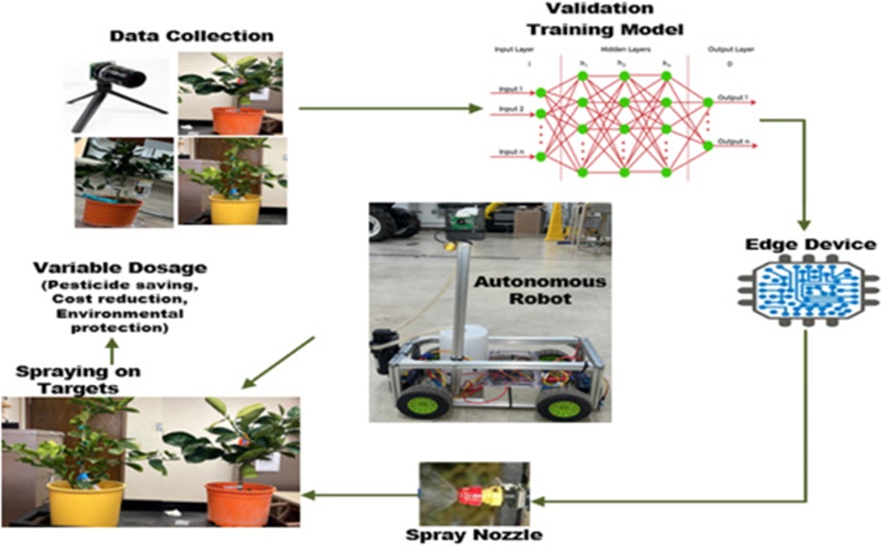
Figure 1. Conceptual framework for deep learning guided robotic sprayer.
Alongside this, the robot’s locomotion is controlled by a navigation routine running on an Arduino Mega board, whereas the citrus foliage health classification pipeline runs on a Raspberry Pi 4. This Raspberry Pi 4 is a general-purpose Linux prototyping board equipped with a quad-core processor running at 1.5 GHz, 8 GB RAM, 32 GB micro-SD storage, a GPIO header for sensor attachments, and the ability to readily interface with an auxiliary Pi camera module based on the Sony IMX219 8-megapixel sensor. Both the Pi camera and the Raspberry Pi 4 were manufactured at Sony’s UK Technology Centre, Pencoed, Wales. The setup is natively supported by Edge Impulse, a dedicated ecosystem for training, compression, and flashing embedded firmware [28-30].
The robot’s operational design supports a dual-mode paradigm, namely a fully autonomous regime and a teleoperated regime. Within the autonomous navigation scheme in the cultivation zone, the robot follows a pre-laid black guidance line using two infrared (IR) sensors mounted on the front of the chassis, which communicate with the motor driver circuitry via the Arduino Mega board. The realization of this line-following architecture enables the mobile spraying robot to traverse collision-free, determine its instantaneous location, and identify target plants to trigger the spraying routine. The pair of IR sensors underwent calibration procedures to instruct the robot to continue straight, negotiate bends, and halt for image capture. Afterward, the snapshot was fed to the pre-trained model to produce an inference that governs the spray dosage.
The developmental methodology of the deep learning-guided robotic variable rate sprayer entailed assembling a repository of leaf specimen photographs sourced from lemon and navel orange nursery stock, functioning as stand-ins for disparate plant vigor conditions. These foliar images were used to train deep-learning algorithms. Drawing on the compiled repository, a deep learning architecture was engineered and trained using a MobileNetV2 classifier to discriminate between lemon and navel orange saplings, thereby computing the optimal spray volume for deployment. The procedure applies supervised learning principles to yield a framework that can accurately sort plants based on the categorical label of the outcome variable. The functional block diagram of the deep-learning robotic sprayer is shown in Figure 2.
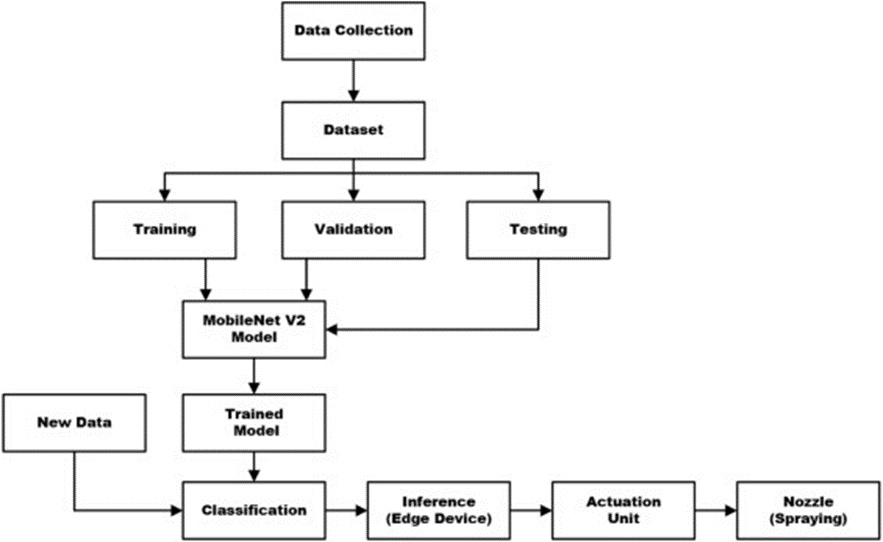
Figure 2. Block diagram of deep learning guided robotic sprayer.
The segregation of citrus saplings into the lemon and navel orange categories is performed using a trained model that has been verified and tested on a subset of the citrus imagery corpus. When fresh observations stream in from the Raspberry Pi Camera, the classification routine invokes the pre-trained model housed in the deep learning library to assign a lemon or navel orange designation. This categorized output then serves as the inferential cue that drives the adjustable spray rate. The finalized deep learning architecture is instantiated on the Raspberry Pi embedded into the robotic platform, which carries a variable-output spraying module. The robot can independently traverse a predetermined course through a covered nursery setting and dispense chemicals in response to the model’s inferential output.
A deep transfer learning MobileNetV2 architecture is used to classify the vegetative condition of the two species as either navel orange or lemon. The image collection was split into 70% for training and 30% for testing. The training fraction was used to optimize the MobileNetV2 weight parameters, while the test batches were reserved to gauge the predictive power of the proposed construct, as shown in Figures 3 and 4.
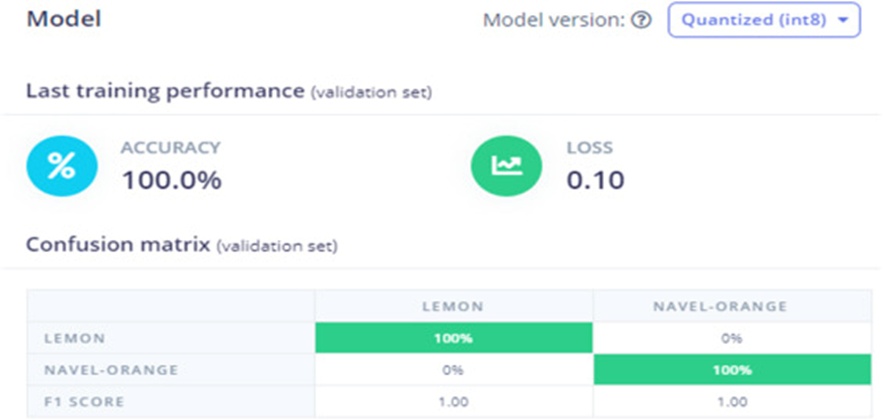
Figure 3. Confusion Matrix of the deep transfer learning (MobileNetV2) model.
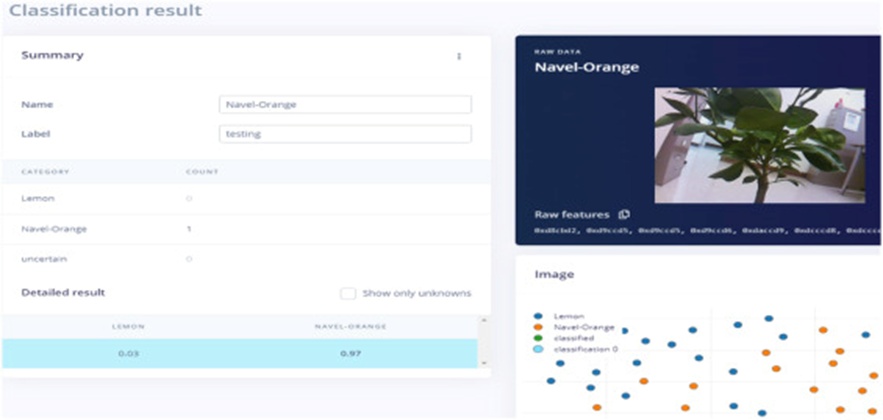
Figure 4. Classification performance of the deep transfer learning (MobileNetV2) model.
The MobileNetV2 construct is structured around three core strata: a convolutional stratum, a pooling stratum, and a densely connected stratum. Convolutional stratum: fabricates an activation map by sweeping a kernel over the imagery, a few pixel increments at a time [31]. The pooling stratum condenses the feature volume generated by the convolutional stratum, enabling more memory-efficient storage. A fully Connected Stratum: the tensor yielded by antecedent strata undergoes “flattening” into a singular vector, which then feeds into the following stage. The initial fully connected stratum applies learned weights to the feature-derived inputs to forecast the correct class label.
In contrast, a final fully connected output stratum returns a probabilistic score for every candidate label in the model’s terminal layer. The MobileNetV2 model was fitted to the dataset reaching a classification accuracy ceiling of 100%, accomplished by applying an early stopping protocol during the training cycle spanning 50 epochs, as portrayed above in Figure 3. Even though a training accuracy figure of 100% can occasionally point toward overfitting, within the context of this study the model maintained its generalization capacity when evaluated against previously unseen instances, attaining an accuracy of 0.97 (Figure 4) for navel orange categorization and an accuracy of 0.93 for lemon categorization. The Raspberry Pi 4 executes the pre-trained MobileNetV2 model with adequate responsiveness, delivering a mean inference latency of 49 ms per detection event. This latency metric is consistent with the documentation provided in the edge impulse usage manual [29], and falls within acceptable bounds for autonomous spraying operations conducted under greenhouse conditions.
The pairing of a handset-based application with the robot over a Bluetooth radio link affords the human operator fluid oversight and modality switching. Through the application’s user-facing console, operators can fluidly alternate between a duo of modalities: Autonomous and Manual. This cordless bridge empowers the user to specify functional parameters and designate the active modality aligned with particular task demands or individual preferences. The motivation for engineering two distinct modalities is to deliver the user an alternative control pathway that maintains efficient throughput. The autonomous modality is the default during live deployment. In contrast, the manual modality is reserved for diagnostic purposes, such as validating hardware response, fine-tuning positional offsets, and confirming data link integrity. The master control algorithm governing the entire robotic sprayer is detailed in Figure 5, and the navigational control subroutines are depicted in Figure 6.
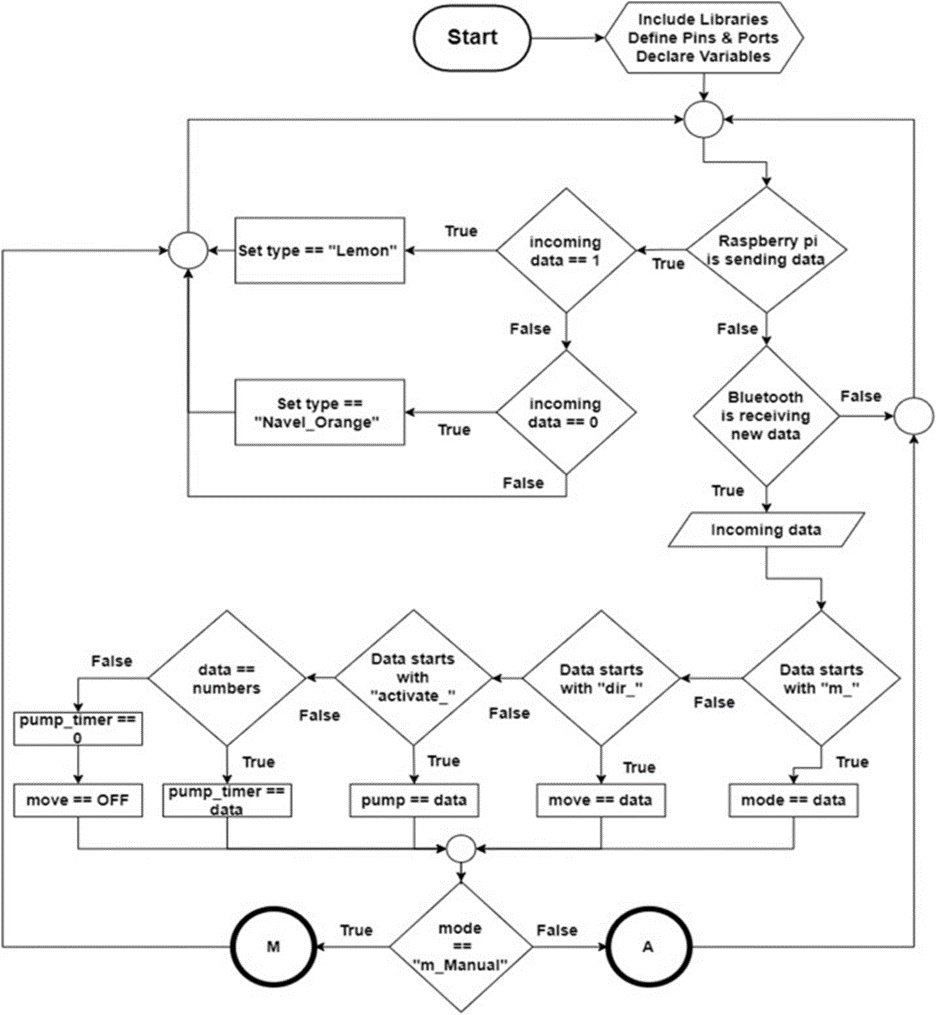
Figure 5. Overall flowchart of the robotic sprayer.
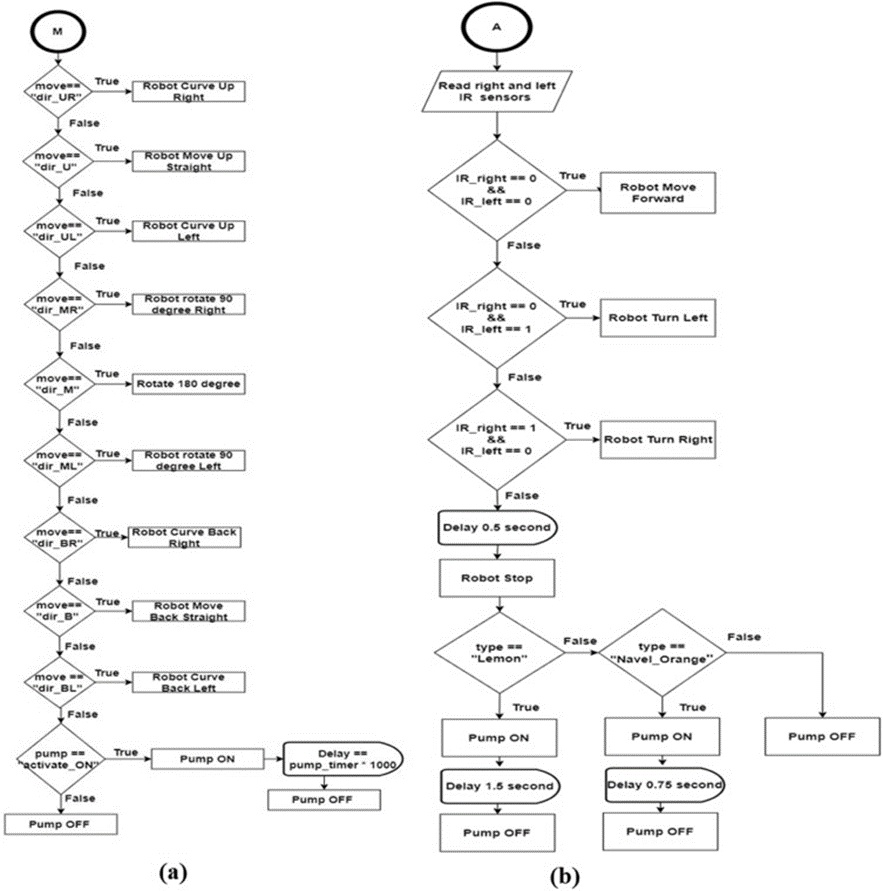
Figure 6. Robot navigation flowcharts: (a) Manual mode and (b) Autonomous mode.
Within the robot’s embedded microcontroller, two dedicated data-exchange buses enable simultaneous process handling. Firstly, the bidirectional link between the Arduino and the Raspberry Pi 4 microprocessor enables the transfer of essential operational parameters. In this exchange, the Arduino intake port receives the plant-type identifier from the Raspberry Pi camera, using the digital I/O pin array for streamlined signal transfer. Secondly, bidirectional communication with the AGAPPEBOT mobile application occurs over a separate data bus, enabling operator inputs for mode arbitration and parameter tuning when the manual operating modality is engaged.
In Autonomous mode, the robot self-navigates along a predetermined track network laid out within the experimental arena. This modality capitalizes on its local situational awareness to pursue predefined pathways without human oversight, thereby simplifying data-gathering cycles and boosting operational throughput. On the other hand, the Manual modality provides the user with finer-grained real-time commands, accommodating instantaneous trajectory corrections and overrides as situations dictate, thereby delivering versatility and responsiveness across diverse agricultural scenarios. Through this spectrum of operational modalities and the seamless wireless tether, the robot tailors its functionality to meet the end user’s requirements.
Upon the operator’s selection of the manual operational modality, the robot is driven by direct human input according to user-specified directives for chassis motion and pump actuation issued from the application. During the power-on initialization sequence, the robot enters a stand-by phase, polling for a validated Bluetooth handshake once the onboard microcontroller (Arduino UNO) establishes a link with the user’s mobile software client through the Bluetooth transceiver module (HC-05). While pending successful Bluetooth pairing, the robot concurrently processes the data stream arriving from the Raspberry Pi and binds the plant type variable to the incoming data payload. Once the Bluetooth session is authenticated, the robot begins continuous reading of inbound data packets. A validation routine is triggered to ensure that the Bluetooth module remains reachable and that data originating from the mobile App is properly registered in the Arduino serial receive buffer.
During the initialization handshake, the robot anticipates receiving a data string prefixed with the token “m_”, indicating that the accompanying data payload pertains to the robot’s operating modality selection. Should the incoming string lack the “m_” prefix, the robot logs the data. Still, it refrains from executing any actuation commands and persists in stand-by status until a valid modality selection string is detected.
Once the operator engages the autonomous modality command, the robot initiates fully independent operation, governed by the procedural steps outlined in the flowchart shown in Figure 6b. The robot’s autonomous modality, as specified in Figure 6b, commences with the instantiation of local variables and the issuance of data queries conditioned on the plant type identified from the imagery collected through the Raspberry Pi camera feed.
The model’s classification output, which resolves to one of two string identifiers—“lemon” or “naval orange”—is retained in a variable designated ‘plant type’ to parameterize the pesticide dispensing rate for each plant specimen when operating in autonomous mode. The plant type variable supports two possible assignment states: lemon and navel orange. The robot’s trajectory planning is governed by the black adhesive strips deployed on the ground plane. The robot continuously modulates its heading vector and ground speed in response to feedback from its IR sensor array, entirely free of human intervention.
Twenty-two (22) separate instructions can be received from the Bluetooth module, each tied to its corresponding variable. The incoming data can only be interpreted sequentially, one piece at a time. To enable the microcontroller to distinguish between these incoming instructions, four distinct variables are employed to group this data according to their designated purposes.
The variable “mode” stores the selected mode preference; “move” holds the intended robot locomotion instruction; “Pump” captures the pump activation state as either on or off; and “pump timer” records the intended spray duration for the pump. While operating in manual mode, tapping the application buttons triggers actions such as front left, front right, reverse, back right, back left, direction change, and similar maneuvers, as previously illustrated in Figure 6a.
The circuit schematic shown in Figure 7 serves dual purposes: plant surveillance and robot governance. A Raspberry Pi equipped with a Pi Camera first captures snapshots of the Lemon and Navel Orange specimens, enabling thorough inspection. These images are processed and used to train a deep learning architecture, producing a compact detection model that is deployed on the same Raspberry Pi, enabling the recognition of various plant attributes and irregularities. In parallel, the Raspberry Pi exchanges information with an Arduino Mega via an I2C-level shifter. This linkage enables the Arduino Mega to receive logic-level details about identified lemon and navel orange plants, strengthening the system’s capacity to adapt to specific plant conditions.
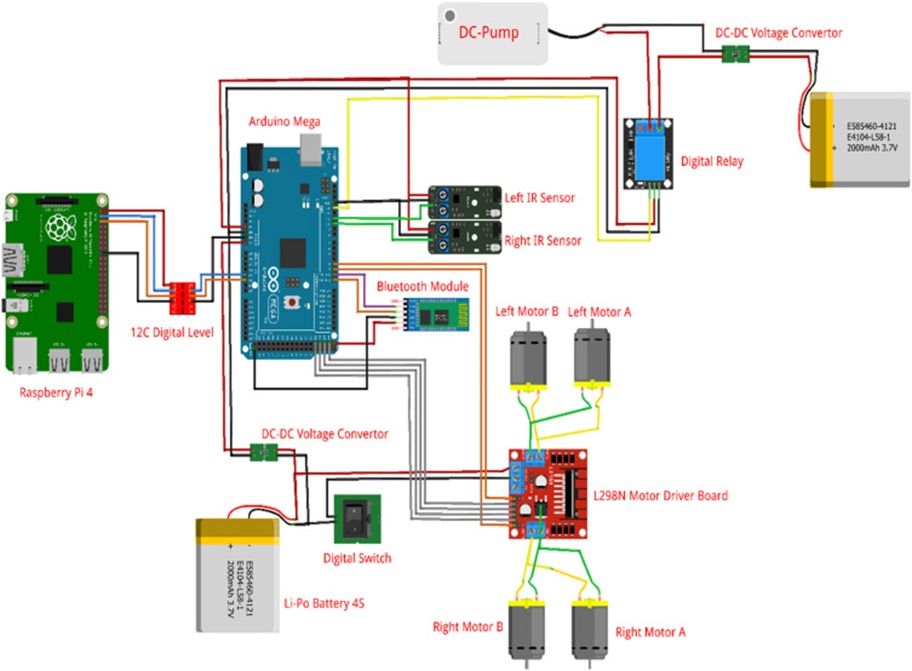
Figure 7. Circuit diagram of deep learning guided robotic variable rate sprayer.
At the same time, the Arduino Mega manages robotic pathfinding and obstacle detection by interpreting inputs from the two front-facing IR sensors shown in Figure 8a. These sensors provide essential data to the Arduino, supporting path planning and impact avoidance during the robot’s traversal. The Arduino Mega is also tasked with motor regulation, synchronizing the robot’s locomotion. Four actuators, labeled left motor B, left motor A, right motor A, and right motor B, are interfaced with the Arduino Mega via an LN298N motor driver. This configuration grants fine-grained control over the robot’s motion, enabling it to move adeptly based on data from the IR sensors and the Raspberry Pi’s plant identification pipeline.
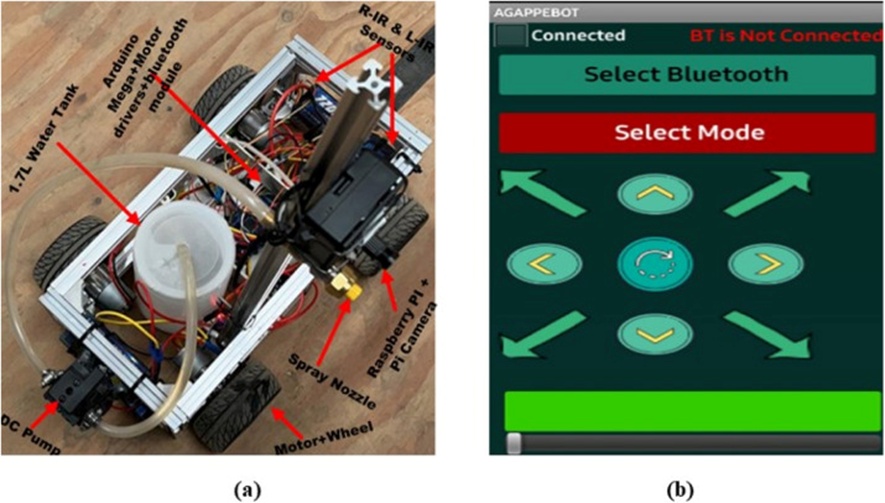
Figure 8. (a) The constructed robotic sprayer prototype and (b) AGAPPEBOT Mobile app for remote control.
Additionally, the circuit contains a relay wired to the Arduino Mega to activate the pump during spraying operations. This element extends the utility of the setup, allowing automated spray tasks to proceed in response to the identified plant conditions. By combining plant surveillance, robotic mobility, and automated spray delivery, the circuitry delivers a holistic solution for streamlined, intelligent crop management.
The robot’s displacement is regulated by the signals issuing from the IR sensing units. The two forward-facing IR sensors (right and left) generate binary outputs in response to reflectance variations off the black tape, as cataloged in Table 1. When both sensor elements detect a low state, all motors (MR1, MR2, ML1, and ML2) thrust the robot forward while the pump stays off. Should the Right IR persist low while the Left IR flips to a high state, the left-side motors engage a negative rotation, which drives the left-hand wheels backward, angling the robot to the left. On the contrary, if the Right IR is high while the Left IR is low, the right-side motors rotate in the negative direction, turning the robot to the right. The instant both IR sensor elements detect a high logic condition, the robot pauses adjacent to the citrus plant, allowing the camera to record images for downstream analysis, and starts the pump to discharge spray over the plant canopy.
Table 1. Autonomous logic control instruction for the robotic sprayer.
Right IR sensor | Left IR sensor | Movement (Motor-MR/ML & Pump-P)a |
|
|
| |
P | ML2 | ML1 | MR2 | MR1 | ||
Low | Low | Off | +1 | +1 | +1 | +1 |
Low | High | Off | −1 | −1 | +1 | +1 |
High | Low | Off | +1 | +1 | −1 | −1 |
High | High | On | 0 | 0 | 0 | 0 |
a: MR = Right motor; ML = Left motor.
This nuanced arrangement delivers accurate wayfinding and precise robot intervention, enhancing efficient information gathering and chemical application in agricultural landscapes. The integration of sensor-driven feedback with motor coordination enables smooth adaptation to the environment, enhancing the robot’s effectiveness in supporting farm-related activities, such as crop observation and spray application.
A testbed was fabricated to enable the robot to drive itself inside the evaluation zone, as shown in Figure 9. The robot pursued the black adhesive track as its reference, guided by the IR sensor pair. Several perpendicular tape intersections serving as halting stations were built into the layout to improve the robot’s localization of plant locations. The spray delivery performance of the robot was tested on approximately 9 citrus specimens, including 5 navel orange and 4 lemon saplings raised in an indoor cultivation area. To gauge the robot’s spray delivery, a water-sensitive card was stationed on each citrus specimen, as illustrated in Figure 10. The cards were attentively affixed to the sample leaf zone so they could document the spray settling from the robot nozzle as it moved toward the citrus specimens. Following the spray pass, the cards were cautiously retrieved and permitted to dry. Afterward, pictures of the harvested cards were taken and processed using a smartphone-based smart-spray application to assess the proportion of spray that settled on the leaf zone of the citrus specimens. The smart spray app is an open-source program developed by the Nansen Lab at the University of California, Davis, available on the Google Play Store and the App Store. The application works by measuring the percentage spray deposit through analyzing the chromatic values of each pixel on the water-sensitive card [32].
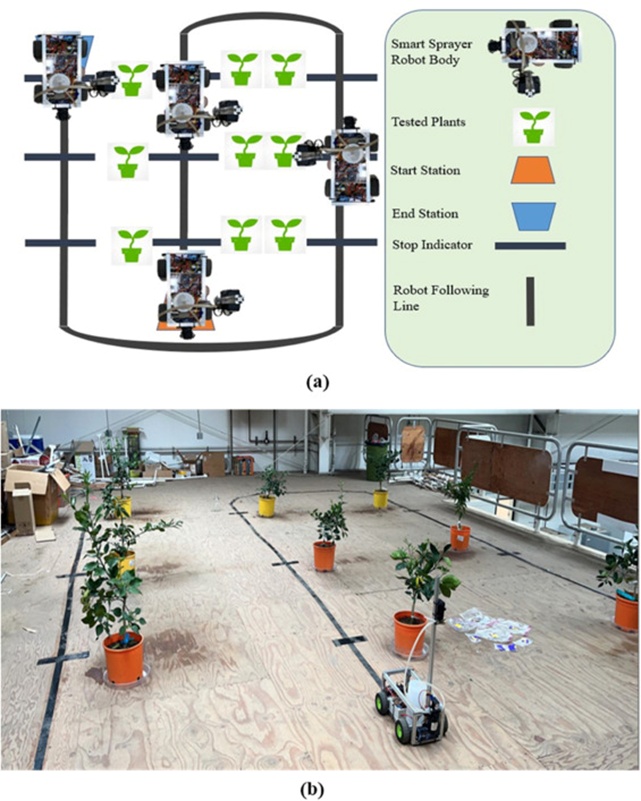
Figure 9. Testing platform for robotic sprayer: (a) schematic, and (b) actual photo.
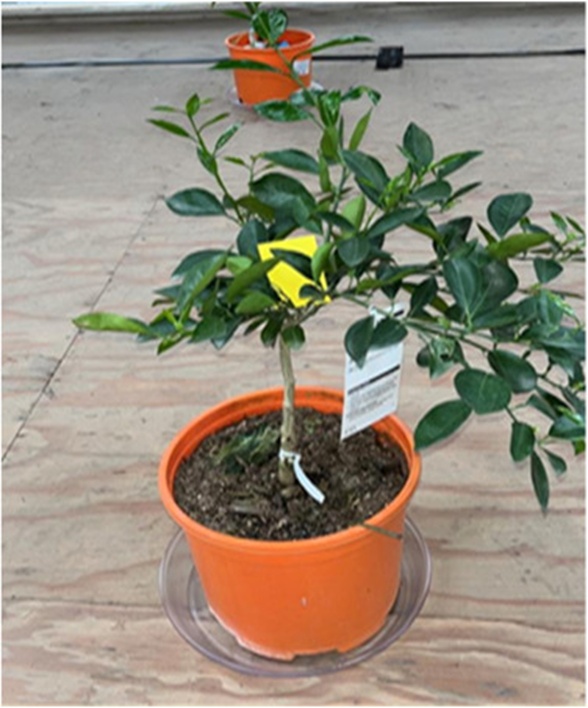
Figure 10. Water-sensitive (yellow) card placement in lemon plant canopy.
The robotic sprayer was successfully realized as a prototype based on the earlier description, with its locomotion, plant identification, and spray dispersal capabilities thoroughly demonstrated. By employing the logic directives specified in Table 1, the robot successfully steered its course along the black-tape route mapped out in the testbed. Based on the robot’s journey along this path, Table 2 collates the elapsed times and corresponding speeds. As forecasted, the robot’s pace along the straight stretches of the route outpaced its pace while tackling curves, due to the increased number of logic cycles necessary to hold its line within the bends. A consolidated overview of the parameters related to the robot’s travel along the entire testbed route is also provided in Table 3.
Table 2. Measured parameters of the spray robot navigation test.
Movement | Robot speed(m s-1) | Time(s) | Distance (m) |
Stop to stopa | 0.15 | 10.0 | 1.52 |
Curve turning | 0.04 | 13.1 | 0.5 |
a: This was a straight path.
Table 3. Parameters of the spraying robot during the spray experiment.
Parameter | Value |
Total distance covered in one cycle | 15.6 m |
Number of stops/plants in total | 9 |
Total plants | 9 units |
Average spraying duration per cycle | 3 s |
Mean operating time of the robot per cycle | 5 min |
Average speed of the robot | 0.55 m s⁻¹ |
Following the quantification of the prototype’s spray output regarding deposit on lemon and navel orange leaf surfaces, the findings indicate an average spray deposit of 87% on lemon foliage and 67% on navel orange foliage, as respectively conveyed by Figures 11a and 11b. It is noteworthy that the lower average deposit of 67% observed in the navel orange trial subjects (NO1-NO5) indicates that a reduced spray dosage was applied to them. On the other hand, the higher average deposit of 87% in the lemon trial subjects (LM 1 to LM4) indicates that a higher spray dosage was applied. This observation matches the planned spray periods of 0.75 s and 1.5 s for navel orange and lemon plants, respectively, as shown in Figure 6b.
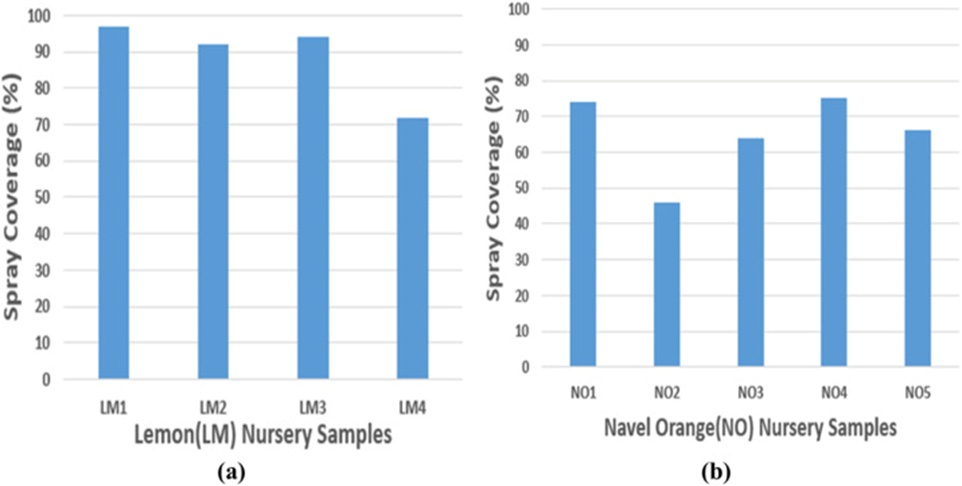
Figure 11. (a) Spray coverage on Lemon plant samples from the robot, and (b) Spray coverage on navel orange plant samples from the robot.
Even with fluctuations arising from stem and leaf impediments on the water-sensitive cards during the robot’s spray performance evaluation, the basic experiment sufficiently demonstrated the ability to distinguish between plant states based on the robot’s prior training. This examination highlights the varying effectiveness of the spray routine across different plant species (which serve as proxies for plant health statuses and reflect each plant’s distinct requirements), underscoring the need for customized application volumes. Furthermore, it signals the value of potential tweaks to refine spray dispersal and deposit uniformity, particularly for navel orange trial subjects in this study, to ensure even and adequate pesticide or nutrient delivery for peak plant health and harvest output.
The robot proved capable of efficiently dispensing pesticide onto the intended plants while independently following its track under the guidance of its onboard sensors. This workflow of plant identification, chemical application, and sequential row-by-row advancement guarantees thorough treatment of citrus nursery stock, reducing manual labor and the inherent resource waste of conventional spray methods.
This manuscript outlines the construction of a deep learning-guided pesticide-spraying robot prototype and its testing on navel orange and lemon plants within an indoor cultivation facility. The robotic spraying setup comprises two primary subsystems: the navigation subsystem and the citrus plant classification subsystem. The navigation subsystem is run by an Arduino Mega board, which is fused with an algorithm that handles robotic pathfinding, spray actuation, and the execution of numerous vital navigation routines, such as turning maneuvers and halting procedures. Meanwhile, the Raspberry Pi 4-based subsystem with an onboard camera captures citrus leaf imagery in real time. It serves as the training dataset for a MobileNetV2 model to classify navel oranges and lemons, achieving 100% classification accuracy. The resulting inferential signal is passed from the Raspberry Pi 4 via serial communication to the Arduino Mega, which then triggers the spraying mechanism. The outcomes demonstrate that the designed system can accurately trace the line within a citrus nursery setting. An average spray deposit of 87% was achieved on lemon foliage during the robot’s spray performance trial, a figure that surpasses the 67% deposit recorded for navel orange foliage. In summary, the designed robotic spraying system was judged capable of successfully traversing the full greenhouse area and precisely executing the spraying assignment for the targeted plants.
The work was conducted at the Agricultural Application Laboratory at the Kearney Agricultural Research and Extension Center in Parlier, CA. This work was supported in part by the Coalition for Urban and Rural Environmental Stewardship (CURES), Grant No. Y21-5843. The mention of trade names and commercial products is solely for providing specific information and does not imply any recommendation by the authors, CURES, or the University of California.
None
None
None
Open Access The author(s) retain copyright. This article is licensed under the Creative Commons Attribution-NonCommercial-ShareAlike 4.0 International License. It may be shared and adapted for non-commercial purposes with appropriate attribution, an indication of changes, and distribution of adaptations under the same license. Third-party material may be subject to separate terms identified in its credit line. View the license at https://creativecommons.org/licenses/by-nc-sa/4.0/.
 Agro Intelligence Research Press