Presently, the agricultural domain faces major hurdles in efficiently monitoring livestock health. Established observation practices tend to be labor-heavy, slow, and ill-suited to the evolving requirements of contemporary farming. The rapid proliferation of IoT devices in this field has brought scalability issues and increased processing demands to the forefront, creating an urgent need for streamlined, scalable architectures. This work proposes a cloud-centric framework to elevate the standard of livestock wellness tracking. Engineered to monitor key physiological metrics such as motility, thermal state, and cardiac rhythm, the setup leverages AWS for resilient data orchestration, alongside Python for analytical computation and live-stream analytics. The framework embraces Narrow Band IoT (NB-IoT) mechanisms, fine-tuned for minimal bandwidth usage and extended transmission range, which are ideal for isolated agricultural terrains. Its scalable design enables seamless administration of a dynamic number of IoT devices, a vital feature for accommodating changes in livestock density and operational scale. Early-stage testing conducted to gauge system capability has confirmed its resilience and practical value, reflecting a cohesive integration of AWS IoT Cloud capabilities with field-level IoT devices. Beyond this, the inquiry examines the deployment of predictive algorithmic models to support anticipatory healthcare strategies in animal populations. By forecasting impending health anomalies before visible symptoms, the mechanism stands to advance animal well-being and farm output substantially. The confluence of cloud computing power and IoT infrastructure not only meets the intensifying digital demands of modern agriculture but also pioneers a new paradigm for sustainable ecological farming methods. The revelations from this investigation may carry far-reaching weight for the trajectory of animal stock oversight, potentially catalyzing broad-based acceptance of digitally driven wellness surveillance frameworks across the farming sector. Such a shift would aid in streamlining husbandry-based health management worldwide, thereby enhancing yields and long-term viability in the agrarian economy.
Canada’s farming landscape, with Nova Scotia as a focal point, is heavily anchored in livestock rearing, an activity that upholds the economic fabric of cultivator households, preserves the vitality of countryside settlements, and deepens cultural plurality and communal bonds. This segment constitutes a pillar of the provincial fiscal structure, as reflected by the progressive expansion of GDP inputs from cultivation, silviculture, fisheries, hunting, and allied domains throughout the preceding decade. Markedly, aquacultural output and terrestrial animal breeding have swelled by 17.9 % and 3.2%, respectively, cementing their role in Nova Scotia’s economic constitution [1].
Within this milieu, Livestock Health Monitoring (LHM) apparatuses are indispensable, given the premium placed on durability, nimbleness, and exactitude. By 2023, dairy-related revenues in the province reached $33.5 million, underscoring the urgency of cutting-edge digital tools to boost yields and margins [2].
Historically, the supervision of creature health has hinged on irregular hands-on checks, a mode of operation that habitually triggers belated reactions to afflictions and suboptimal stewardship. The arrival of cohesive, emergent technologies spanning IoT and cloud processing holds revolutionary potential for instantaneous, forward-looking animal condition tracking. This transition holds the double promise of lifting welfare standards and sharpening the productive edge of farming units [3, 4].
The present study aims to advance these innovations by advancing an expandable, Cloud-reliant IoT construct intended to enhance the accuracy and responsiveness of continuous livestock health monitoring. By integrating channels such as Narrowband IoT (NB-IoT), the framework enhances connectivity, extends battery life, and ensures reliable data flow even across dispersed geographies, a prerequisite for wide-ranging pastoral operations [5].
Heritage surveillance practices for livestock vitality are manpower-draining and routinely fall short in performance. For example, behavioral scrutiny, essential to reproductive cycle oversight, can consume up to 30% of the workforce on industrial-scale farms [6, 7]. Such modalities lay bare deep-rooted misallocations of effort and spotlight the acute need for mechanized, high-fidelity observation apparatuses that can markedly reduce worker effort while boosting disease identification precision [8].
Precision Livestock Farming (PLF) enablers embody a paradigm leap in herd wellness stewardship. These setups draw on next-generation sensing equipment and analytical software to provide live-feed interpretations of animal behavior and physiological status. PLF mechanisms serve to transcend the inherent fallibility of the unaided eye, smoothing the path for premature symptom flagging and more streamlined flock governance [9].
With the global population on track to reach 9.7 billion by mid-century, the appetite for animal-sourced food is forecast to balloon, compelling a 70% upswing in global food production capacity, with demand for meat alone poised to swell by upwards of 50% [10, 11]. The stockbreeding segment has experienced runaway growth, stoked by global economic integration and spiraling consumer appetites across diverse consumption landscapes. Yet such escalation simultaneously raises questions about ecological sustainability, environmental footprint, and animal ethics, making it indispensable to calibrate surging meat production against principled cultivation practices to safeguard the trade’s long-term sustainability [12-15].
A cohesive IoT backbone for LHM merges manifold elements pivotal for robust wellness supervision. Detectors, including accelerometers and thermometers, are widely used to track vital biometrics, such as heart rate and core temperature, which reflect the beasts’ overall physical condition. These instruments provide an unbroken data stream, a critical prerequisite for prompt remedial steps. Likewise, transmission modalities, including ZigBee, RFID, Bluetooth, and Wi-Fi, play indispensable roles in the frictionless relay of such informational streams [16].
Notwithstanding strides made, specific shortcomings persist in protocols such as ZigBee, whose current iteration limits monitoring capacity to a single device per cycle. In contrast, combining LoRaWAN with NbIoT has shown potential to improve information throughput, evidenced by modest operational costs and far-reaching signal coverage even in challenging terrain. The blending of NB-IoT and LoRa spectra yields unique combined benefits, providing extended broadcast ranges and reduced recurring costs. Such merits are non-negotiable for extensive pastoral deployments, where old-style cellular linkages may exhibit lower energy efficiency and higher costs [17, 18].
Supplementary integration of cloud-hosted utilities into animal wellness surveillance enhances data curation, instantaneous interpretation, scalability, and sharper decision-making. The uninterrupted harvesting and scrutiny of biometric feeds from IoT endpoints enable early-stage detection of dysfunctions, paving the way for swift counteractions. Instant warning signals for anomalous biometric shifts, whether in thermal equilibrium, heartbeat, or motion indices, are routed to herders and animal doctors, empowering them to address nascent health disruptions without delay.
Furthermore, virtualized cloud environments provide a flexible infrastructure capable of absorbing massive data loads from numerous nodes. A sprawling pastoral enterprise can thereby dynamically modulate its information warehousing and computational throughput in accordance with situational needs, bypassing the need for substantial capital investment in tangible hardware assets.
The pathway to embedding high-level technological tools into smallholder livestock health oversight is strewn with distinct hurdles. Scholarly inquiry that homes in on these roadblocks and engineers context-specific remedies stands as a vital precursor to achieving pervasive technological diffusion [19]. While the near-horizon gains of digital tool assimilation in LHM are readily apparent, a pronounced scarcity marks the academic record in assessing the enduring repercussions on herd vitality, operational perpetuity, and fiscal soundness. Investigations spanning extended timelines are indispensable to unearth richer perspectives on these facets [20]. The moral terrain accompanying the insertion of frontier technological apparatuses into the surveillance of creatures remains largely uncharted. Questions concerning informational confidentiality, creature dignity, and broader communal reverberations call for exhaustive probing to safeguard principled technological rollouts [21]. The available corpus of research tends to focus on isolated geographies or single nations, thereby missing a planetary vantage that encompasses heterogeneous cultivation practices, socio-economic variables, and climatic contexts. Formulating universally applicable frameworks for livestock welfare oversight requires a broader integration of these global currents [22].
The comprehensive ambitions steering this inquiry are enumerated as follows:
1) To construct a Cloud-grounded IoT ecosystem that amplifies the capacity for live, continuous scrutiny and stewardship of creature wellness.
2) To erect a shared, internet-enabled nexus that serves as a convergence zone for cultivators, academic investigators, and supervisory institutions, incubating a collaborative knowledge community that amplifies information flow and supports systemic improvement across the entire domain.
3) To deploy sophisticated data-crunching methodologies, energized by Python, for sturdy informational handling and sense-making, thereby equipping exacting vitality diagnostics and forward-looking algorithmic models to underpin anticipatory herd governance.
The driving vision behind cognitively augmented pastoralism is to channel the might of remote server computation and worldwide connectivity to ignite a transformative leap in grazing-based output [23]. Distributed server architecture provides a constellation of off-premises computing assets accessible via the web, designed to warehouse, administer, and algorithmically process colossal informational reservoirs, thereby powering evidence-led cultivation. This dual competency of vast data custodianship and frugal economic footprint, wedded to location-agnostic entry, positions it as a peerless answer for neutralizing the pain points plaguing the agrarian trade [10]. A creature supervision assemblage represents a state-of-the-art configuration blueprinted and materialized through sensory apparatus, geospatial positioning modules, and cognate elements, all knitted together via communicative protocol stacks. Such supervisory gear enables herders to patrol their spreads and execute immediate countermeasures virtually.
Drawing upon Amazon AWS as the foundational cloud stratum for creature wellness vigilance unlocks a suite of decisive advantages. AWS provides unmatched elastic capacity, enabling the architecture to handle torrents of sensory input from innumerable endpoints with zero throughput erosion, regardless of how the device count swells [24]. This malleability is a cornerstone for adapting to varied operational footprints and the inherently volatile rhythms endemic to pastoral enterprises. AWS delivers exceptional uptime and operational robustness, parceling its functionalities across a multiplicity of terrestrial precincts and failover segments. Such structural multiplicity slashes the odds of service blackouts and informational erasure [25], vouching for an unbroken vigil stream and immediate reactivity to nascent sanitary anomalies circulating within the herd.
Informational fortification occupies the uppermost tier of concern in any remotely hosted setup, a domain where AWS deploys formidable defensive measures, including cryptographic sealing, identity governance frameworks, and continuous monitoring, all aimed at insulating sensitive data corpuses [26]. Adherence to vertical benchmarks and statutory frameworks is streamlined concurrently through AWS’s encyclopedic library of conformity validation tools. Economic prudence delineates yet another pronounced boon. The consumption-anchored cost-recovery schema native to AWS [27] enables capital-sensitive scaling, obviating the need for prohibitively heavy initial investments in concrete hardware. Such a paradigm guarantees that computational assets are tapped with maximal parsimony, and disbursements faithfully shadow genuine utilization rates—a trait of particular value to smallholder and mid-tier husbandry outfits.
Seamless convergence typifies a foundational strength of the AWS ecosystem, orchestrating effortless communication among disparate services such as AWS IoT Core, DynamoDB, and Amazon Pinpoint. This interwoven design empowers the sculpting of an integrated, frictionless engine that enables live-stream informational refinement, archival storage, and multi-directional dispatch. Layered atop this, AWS’s sprawling intercontinental latticework bestows near-instantaneous signal traversal and accelerated data computation—an absolute requisite for temporally sensitive wellness oversight scenarios, wherein every saved moment in the intervention cascade can exert outsized influence on creature prosperity.
LHM occupies a station of central consequence when viewed against the panoramic canvas of holistic farm orchestration. Sustaining meticulous sentinel duty over the herd stands as a non-negotiable precondition, given that the flourishing physiological state and ease of animals constitute the bedrock for the uninterrupted generation of lacteal and other derivatives [28]. It simultaneously carves out pathways for herders to decode the behavioral lexicon of their charges, surfacing nascent harbingers of pathological onset [29]. Intervening in the earliest windows helps throttle contagion cascades that might otherwise course through the collective. Such prophylactic guardianship shields not only individual organisms but the cumulative biotic asset of the flock. In parallel, singling out organisms boasting salubrious constitutional profiles as sires and dams can operate as a genetic ratchet, ensuring that prized hereditary endowments propagate into filial cohorts [30]. A further weighty motivational strand derives from the purity and safety benchmarks of alimentary outputs reaching end consumers [31]. Vigorously sound livestock serve as biofactories for premium-grade provisions, an indispensable element in meeting market demand. This architecture provides an intrinsic firebreak that blocks the zoonotic leap of pathogenic entities into human populations [32].
Building on this, continuous scanning of essential physical barometers equips pastoralists to more rigorously refine selective propagation campaigns, systematically favoring constitutionally sturdier candidates whose phenotypic gifts enhance the herd’s aggregate hereditary treasury [33].
In a complementary vein, this supervisory apparatus contributes materially to the cartography of locomotory ethograms, spanning pasturage cycles, rumination bouts, and quiescent spells [34].
Nb-IoT embodies a cordless IoT species animated by the design philosophy of Low Power Wide Area Networks (LPWANs) [35], bestowing upon a markedly denser population of devices the collective ability to co-occupy spectral real estate compared to ancestral cellular bearers like 2G, 3G, and 4G. These widgets scavenge quiescent frequency slivers within an operator’s chartered wavebands, a strategy that results in markedly lower energy consumption than competing network taxonomies. Given that NB-IoT fabrics traffic across more constricted frequency corridors, they naturally accommodate a far more populous device ecology within each discrete lattice “compartment.” This architectural trait amplifies propagation reach via redundant signal reiteration and magnifies the recipient machinery’s ability to untangle inbound encoded streams. The bundle of dividends accompanying Nb-IoT uptake includes ultra-lean power drawdown; Energy Conservation Stasis (PSM); Prolonged Cyclical Signal Reception (eDRX); Judicious commandeering of spectral assets; Wall-to-wall Territorial Reach and Link Assurance; Rock-bottom unit economics; Forceful signal penetration; Extended autonomous operational endurance [36].
The investigation outlined herein adheres to the tenets of the Agile Methodology, characterized by its dynamic intervals, or sprints. Set apart from alternative software development paradigms, the Agile framework prizes adaptability, operational speed, and a cyclical development model, thereby ensuring alignment with stakeholder needs [37]. The successive stages constituting the Agile approach are unpacked in the paragraphs that follow.
The foundational bedrock of any triumphant architectural undertaking resides in the conceptualization phase. This grounds the construction of the LHM assembly vis-à-vis the fulfillment of the subsequent criteria. The LHM construct, built on AWS Cloud infrastructure and IoT, must constitute an exceptionally fortified enclave, given its role in housing and tracking confidential information assets. Consequently, it must erect impassable barriers against data compromise via illegitimate intrusion. Any resilient assembly must lend itself to straightforward, efficient governance, minimizing the footprint of manual operator involvement. The present architecture satisfies this mandate, as diagnostic fault-isolation procedures can be executed without disrupting the operational continuity of the entire apparatus. It must dynamically absorb shifting demand by orchestrating the deployment or withdrawal of computational assets in lockstep with network traffic surges. The framework demonstrates plasticity in accommodating fluctuating herd census data, thereby sidestepping cost inflation. The architecture is mandated to endure across its full operational lifespan. Every stipulated utility and module must remain available continuously, round the clock.
A pivotal juncture in sculpting this architecture is the blueprinting stage, which entails marshalling the application’s technological toolchain. The ensemble of functionalities to be embedded within the LHM is catalogued as follows:
• Feature 1: A fortress-grade construct that repels unauthorized incursions.
• Feature 2: A construct that operates with unbroken fluidity, unmindful of whether resources are tethered together or discretely partitioned.
• Feature 3: The apparatus must possess the competence to absorb both escalations and contractions in informational throughput gracefully.
• Feature 4: Must accommodate the concurrent functioning of >500 IoT sensory endpoints.
• Feature 5: The scaffold must remain within operational reach from isolated geographies.
• Feature 6: Flag aberrant departures within the behavioral repertoire of livestock.
• Feature 7: Execute analytical computations and generate visual schemas from amassed informational stores.
• Feature 8: Disseminate SMS alerts to herders and relevant oversight personnel, including veterinary practitioners.
• Feature 9: Chronicle and archive incident footprints.
• Feature 10: Geographically dispersed data custodianship.
Any remotely hosted model is duty-bound to align with the quintet of foundational pillars that define a properly architected scaffold, thereby meeting the stipulations of the proposed undertaking. This entails a framework capable of executing its scripted functions whilst retaining suppleness amid modifications. The apparatus must preempt malfunctions, derive lessons from their occurrence, and orchestrate self-rehabilitation. The target construct must possess a formidable security apparatus to protect informational payloads, whether in transit across channels or lying dormant in storage. It must likewise anticipate potential security violations, ensure the proposed endeavor operates at the anticipated level of potency and seamlessness, and ensure the judicious use of computational resources. The whole must remain fiscally prudent and ward off superfluous fiscal drain.
The technological toolchain is centered on the feature set indispensable for building the LHM. This spans a heterogeneous array of AWS Service offerings, programming utilities, and technical enablers rolled out during the build phase. The holistic throughput of any construct depends on the efficacy of the chosen subcomponents and the deftness of their application. Hence, pinpointing the right technical underpinning is paramount for achieving the intended outcomes. The roster of AWS Services, programming instruments, and technical provisions marshalled in crafting this construct is delineated as follows: To fulfill the stipulations catalogued in step 1, the proposed construct is anchored in the AWS Cloud fabric, as it provides hardened identity governance, along with capital-prudent and pliable asset orchestration [38].
Furthermore, it extends a mature, periphery-computed utility suite enabling resources to be dynamically coupled or decoupled in harmony with the adjunctive IoT service demands. Python qualifies as an advanced scripting language, marked by high legibility, embracing a wide range of coding paradigms, and boasting a comprehensive library ecosystem [39]. Its role within this scaffold is cardinal, as it is furnished with a superb SDK dedicated to the engineering of remotely hosted utilities [40]. This is used to craft the programming embedded in IoT endpoints, alongside AWS Lambda routines that serve as informational-handling kickoff triggers for AWS data conduit operations. The sentient livestock wellness surveillance apparatus instantiated within AWS knits together a constellation of AWS serverless utilities, each executing discrete and autonomous functional roles.
Informational load validation probes gauge the apparatus’s preparedness to continuously absorb massive data torrents while maintaining tolerable thresholds for mean latency and fault counts. Informational coherence verification certifies that data is faithfully populated across all designated repositories and that insertion events occur in their correct sequential order. Behavioral validation guarantees faithful data ingestion, treatment, and retrieval under punishing load conditions. Strain examination scrutinizes the construct’s resilience, elastic scaling profile, and operational headroom. Fortification and entitlement verification ensure that only credentialed actors can interface with the ingested information stores.
When appraising outcomes, the benchmarks for test finalization and success are determined by analyzing diagnostic logs and performance-tracking dashboards.
In the rollout sequence, the architectural backbone uses Terraform to orchestrate asset provisioning across the AWS ecosystem. HashiCorp Terraform is used to materialize, reconfigure, and provision said assets via JSON-configured configuration manifests. Directives are subsequently issued to modulate the backplane to match situational exigencies, with Terraform’s formidable restorative capabilities on standby to restore the infrastructure to a pristine checkpoint if circumstances dictate.
The observational dataset supporting this inquiry was generously provided by my esteemed collaborators at Wageningen University & Research and was derived from an autonomous prior experiment. The referenced study secured authorization from the Central Committee on Animal Experiments (CCD) and the Animal Experiments Department (IVD) of the Netherlands, assuring that the prescribed moral norms and exemplary protocols were meticulously observed. The Department of Animal Sciences within the Care of Animals Used for Scientific Purposes (CARUS) at Wageningen University & Research conducted a scrupulous review. It sanctioned any supplementary, non-intrusive handling of subjects for the present investigation. The designated approval marker for this inquiry is 20210521ADP [41].
A cohort of 50 male piglets (Tempo × Topigs Norsvin TN70), with a mean mass of 25 kg and born approximately 9 weeks before enrollment, was included in the prolonged investigation. Enclosures 14 and 15 housed within Wageningen University & Research’s CARUS installation served as their domicile. Six porcine subjects, spanning an age bracket of 86 to 108 days, were culled from this assembly to undergo an exhaustive dissection of their behavioral repertoires and somatic adaptation patterns. A habituation interval spanned the inaugural week, affording the piglets latitude to acclimate to the novel milieu, dietary provisions, and husbandry regimen. Dimensions of 2.86 by 1.16 m defined each enclosure, a spatial allotment sized to house a pair of subjects comfortably, and each was provisioned with all fundamental amenities, including play objects. Illumination was sustained from 07:00 to 19:00, while ambient thermal conditions were modulated to align with the piglets’ physiological requirements. The subjects received a protein-enriched feed mixture augmented with desiccated fermentative solubles, calibrated to satisfy their targeted somatic accretion velocities. Their nutritional intake also encompassed cereal grains and fodder. Rations were dispensed twice daily, once at 08:00 and again at 17:00, while potable water remained perpetually accessible [42].
The informational reservoir tapped for this study originates from a mounted Zephyr BioHarness belt apparatus affixed to a Topigs Norsvin TN70 piglet (Figure 1) situated within a porcine production facility. The Zephyr Bioharness 3 (Medtronic Zephyr, Boulder, CO, USA) is a cordless, body-worn instrument engineered for continuous, telemetric capture of an array of somatic indicators, including cardiac rhythm, breathing cadence, motility indices, deep-body thermal state, and corporeal orientation. It features onboard storage capable of lasting up to 26 h and weighs approximately 85 g. The apparatus integrates a thoracic band fitted with dermally conductive electrodes that harvest cardiac rhythm by registering myocardial bioelectrical impulses, subsequently rendering readings in pulsations per minute. Cardiac cadence is quantifiable across a span of 25 to 240 BPM, exhibiting a fidelity of ±1 BPM, whereas ventilatory rhythm spans 3 to 70 BPM with a commensurate fidelity of ± 1 BPM. Supplementary capabilities include tri-axial accelerometry up to 16 g, paired with support for 100 Hz inertial logging. Onboard algorithmic engines yield approximations for deep-body thermal readings, collapse identification, vertical leap diagnostics, and cardiac interval variability. The fidelity of motility quantification stands at ±1 when benchmarked against an ECG simulator. A substantial corpus of investigative work has corroborated the instrument’s measurement fidelity and dependability. The architectural configuration, geometric disposition, and hardware complement of the sensory package mounted on the porcine subject are depicted in Figures 2 and 3, which show two modules of a unified apparatus. This ensemble automates the information-harvesting workflow and relays the resulting data streams to the central processing hub. The methodological tactic adopted constitutes a non-intrusive modality for informational aggregation.
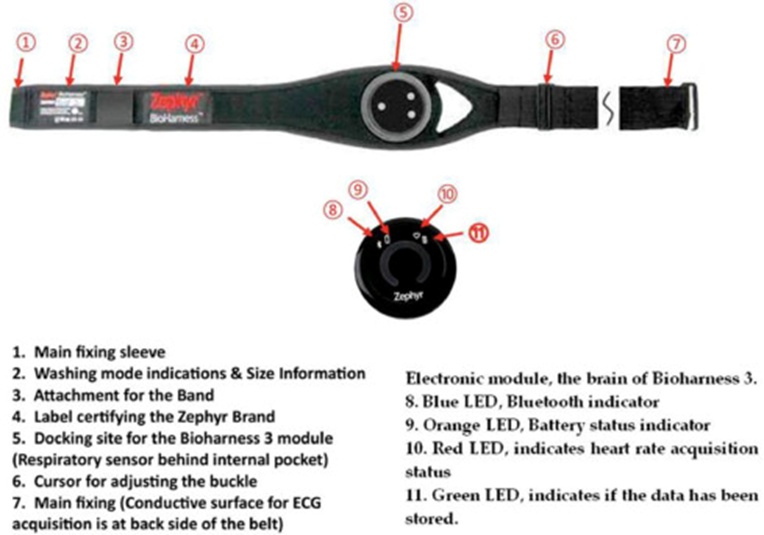
Figure 1. Visual capture of the Zephyr BioHarness multimodal sensory platform deployed for informational harvesting from Topigs Norsvin TN70 piglets.
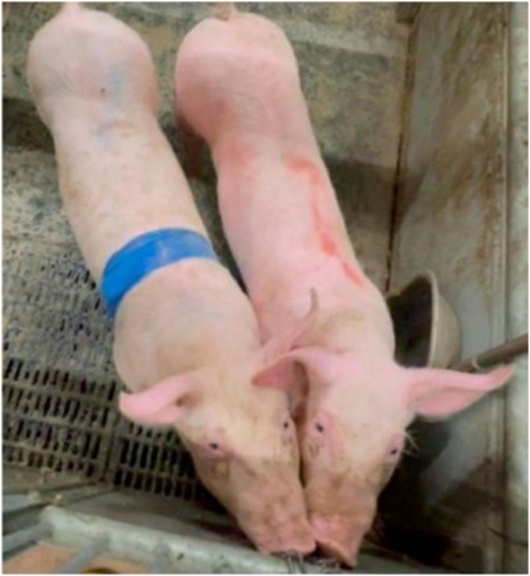
Figure 2. A top-down depiction rendering the Zephyr BioHarness 3.0 strap’s placement encircling the piglet’s thorax, buttressed with a Vetrap wrapping.
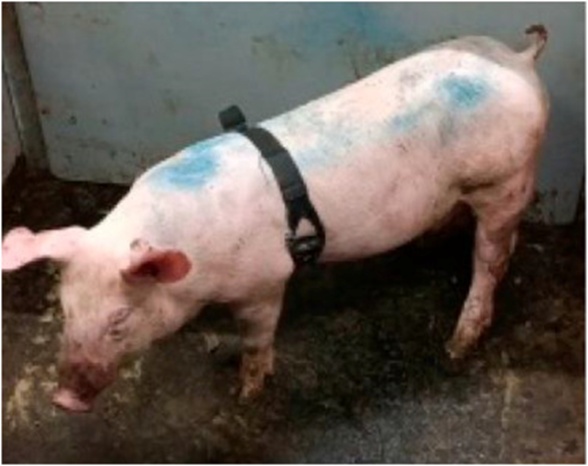
Figure 3. A lateral vantage exposing the piglet outfitted with the Zephyr BioHarness.
The algorithmic learning component of our cloud-hosted IoT framework for animal well-being surveillance is built with Amazon SageMaker. This platform facilitates the development, training, and operational deployment of predictive models at scale. A Random Forest classifier was chosen owing to its resilience and proven aptitude for managing voluminous, multi-variable datasets, a prerequisite for dependable health tracking. The informational corpus comprises biometric indicators harvested from IoT sensory nodes, spanning cardiac pulsation frequency, somatic heat levels, and locomotory signatures. Preliminary information refinement is orchestrated via AWS Lambda routines that cleanse and structure the unprocessed sensor feeds—an undertaking encompassing handling missing entries, flagging deviant readings, and scaling normalization. The conditioned informational pool is subsequently deposited within Amazon S3 to prime it for algorithmic instruction. Cardinal input variables fed into the predictor include cardiac rhythm fluctuation, thermal excursions, and kinematic irregularities, all of which serve as pivotal sentinel markers of livestock vitality. Chronologically derived attributes are additionally mined to surface evolutionary drifts and recurring motifs across time, thereby amplifying the predictor’s foresight acuity. The instructional regimen entails partitioning the informational reservoir into a tutelage segment (70%) and an evaluation segment (30%). Hyperparameter refinement is performed via SageMaker’s native tuning facilities to hone the predictor’s performance, and the algorithmic construct undergoes multiple training cycles to ensure convergence and precision. Following the instruction, the predictor is operationalized via SageMaker’s terminal node provisions, enabling instantaneous inference on live-feed data from the IoT sensor mesh. The tutored predictor is surfaced as a consumable terminal node, possessing the elastic capacity to absorb variable influxes of incoming telemetry. Synergy with AWS IoT Core ensures an uninterrupted information conduit from the sensory apparatus to the inferential engine. Live-stream feeds from IoT endpoints are routed to the SageMaker terminal node via AWS Lambda triggers that initiate predictive routines. The apparatus synthesizes wellness status dispatches based on the predictor’s output, flagging nascent physiological disturbances, such as aberrant cardiac rhythms or spiking somatic temperatures.
The machine learning engine’s output is decoded to provide operationally meaningful insights into herd vitality. The predictor’s merits are quantified using metrics for correctness, exactness, recall, and F1-score, tabulated during the corroboration interval and maintained under continual observation once in live deployment. Input variable salience dissection illuminates the most weighty harbingers of pathological drift, surfacing which biometric channels carry the greatest surveillance significance. The apparatus disseminates advisory pings to cultivators and animal doctors via AWS SNS (Simple Notification Service) when an anomaly is flagged. At the same time, exhaustive digests are rendered, encapsulating wellness status and longitudinal information trajectories, thereby buttressing anticipatory health governance. The algorithmic engine is architected for persistent learning and iterative enhancement. As supplementary information accumulates, cyclical retraining is triggered to refresh the predictive engine, safeguarding its continued accuracy and relevance. Input loops from end-operators and veterinary professionals are woven into the model’s refinement. Freshly accrued information slices are intermittently merged into the tutelage corpus to bolster the predictor’s robustness and malleability across shifting operational environments.
The sensory telemetry gathered remains unprocessed, rendering it imperative to dissect and mold it into a functional schema for crafting a bespoke machine learning construct. The procedures, pipelines, and conceptual frameworks harnessed to decode the informational flows from IoT peripherals, sculpt them into predictive machinery, and weave this instructed construct into the live operational theater alongside companion AWS utilities are elaborated [43].
The adopted methodological posture involves harvesting the idiosyncratic physiological signatures of each porcine subject and weighting them against salient wellness determinants. The assembled informational corpus undergoes initial domain-informed scrutiny to identify any aberrations or logical flaws. The subsequent maneuver entails flagging and remediating lacunae within the dataset, a task discharged via AWS S3. Contingent upon the typology of informational voids, rows or columns harboring missing placeholders or NaN markers are either excised or synthetically populated through statistical approximation techniques (e.g., arithmetic mean, midpoint, or most frequent value). The information assembly is then screened for outlying data points and subsequently uploaded to SageMaker to generate inferential outputs. Feature engineering protocols, such as one-hot encoding, are applied to pertinent categorical columns to convert non-numeric labels into analytically tractable formats.
In the succeeding phases, superfluous or non-contributing columns are jettisoned, and forward-looking projections are generated. The informational corpus is then batch-validated to forecast forthcoming cardiac pulsation metrics. This analytical posture sharpens the capacity to accurately stratify wellness classifications based on each creature’s particularities and its ambient context. It culminates in refined, early-stage flagging of latent physiological disruptions and the preemptive containment of contagion episodes within the animal husbandry domain. The telemetry harvested from the tripartite sensory node is cataloged in Table 1. The amassed information array encompasses thermal readings, cardiac pulse rate, ventilation rhythm, and cognate biometrics.
Table 1. Diverse biometric channels were captured via the tripartite sensory apparatus positioned on the porcine subject’s anatomy.
Features | Description |
Time | Timestamp representing when the data were recorded. |
Animal | Unique identifier assigned to the monitored animal (e.g., pig identification number). |
Activity | Recorded behavior or activity performed by the animal. |
Date | Date on which the measurements were collected. |
Breathing Waveform | Information associated with the animal’s breathing waveform. |
HR (Heart Rate) | Measured the heart rate of the animal. |
BR (Breathing Rate) | Measured the respiration rate of the animal. |
SkinTemp | Skin surface temperature of the animal. |
Posture | Body posture exhibited by the animal. |
Peakaccel | Highest acceleration detected from the animal’s movement. |
BatteryVolts | Voltage level of the monitoring device battery. |
BatteryLevel | Remaining charge level of the device battery. |
BRAmplitude | Magnitude or amplitude of the breathing waveform. |
BRNoise | A noise component is present in the breathing waveform signal. |
BRConfidence | Confidence score associated with the breathing rate measurement. |
ECGAmplitude | Amplitude value of the ECG signal waveform. |
ECGNoise | Noise detected within the ECG signal waveform. |
HRConfidence | Confidence score related to the heart rate measurement. |
HRV (Heart Rate Variability) | Variation observed between consecutive heartbeats. |
SystemConfidence | Overall confidence score generated by the monitoring system. |
GSR (Galvanic Skin Response) | Galvanic skin response was measured from the animal. |
ROGState | Recorded state or condition of the animal. |
ROGTime | Time associated with the recorded animal state. |
VerticalMin, VerticalPeak | Minimum and maximum values recorded for vertical motion. |
LateralMin, LateralPeak | Minimum and maximum values recorded for lateral motion. |
SagittalMin, SagittalPeak | Minimum and maximum values recorded for sagittal motion. |
DeviceTemp | Operating temperature of the monitoring device. |
StatusInfo | Information describing the operational status of the device. |
LinkQuality, RSSI, TxPower | Metrics related to communication quality, received signal strength indicator (RSSI), and transmission power. |
CoreTemp | Internal core temperature of the device. |
AuxADC1, AuxADC2, AuxADC3 | Additional analog-to-digital converter (ADC) sensor readings. |
RtoR | Interval measured between consecutive R-peaks in the ECG signal. |
Vertical, Lateral, Sagittal | Motion measurements were recorded along different movement axes. |
EcgWaveform | Data corresponding to the ECG waveform signal. |
Technical prerequisites for the proposed inquiry include reliable network connections to transmit information from pastoral settings. Ample information warehousing capacity, fortified by robust encryption protocols and permissioned access controls, is a precondition for safeguarding data confidentiality. Supplementary fiscal premises include a cost-benefit calculus that decisively tilts in favor of the operational unit, ensuring that economic rationality trumps expenditure burdens. The solution exhibits inherent scalability, accommodating organic growth as herd inventories swell or as supplementary production units are integrated into the monitoring mesh.
Harnessing AWS serverless building blocks, the advocated schematic for bovine pastoralism portrayed in Figure 4 knits together a mosaic of functional domains, spanning creation, computation, persistence, databases, analytical tooling, networking, mobility, orchestration, IoT, commercial applications, and fortification. Core constitutional components—among them AWS IoT Core, Lambda functions, DynamoDB, S3, Machine Learning engines, Notification buses, Analytical suites, Logging sinks, and User Identity pools—were clustered to instantiate a scalable, fault-tolerant supervisory apparatus. These functional groupings were aligned to meet the capability requirements outlined in Phase 2 of the Materials and Methods segment. The application of these requisite service offerings equips the operator to steward extant informational assets and generate forward-looking prognostications anchored in historical archives. Furthermore, Phase 3 of the Materials and Methods segment charts the architectural blueprint in consonance with the foundational canons of a properly architected framework.
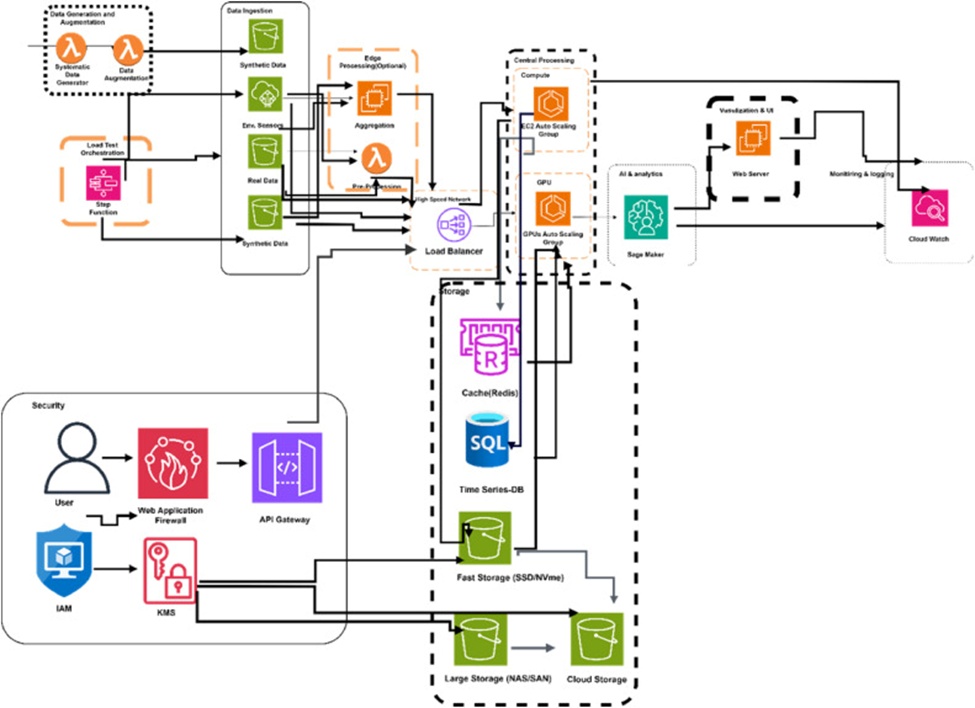
Figure 4. AWS Architectural schema charting the operational flow of the construct.
The holistic scaling posture of the enlisted AWS services is evident in Figure 5. This architectural chassis embraces Amazon S3 (Simple Storage Service), a storage substrate designed for boundless horizontal expansion and capable of housing practically limitless informational volumes. Its autonomic scaling capabilities enable S3 to seamlessly absorb surging request rates and massive datasets without operator intervention.
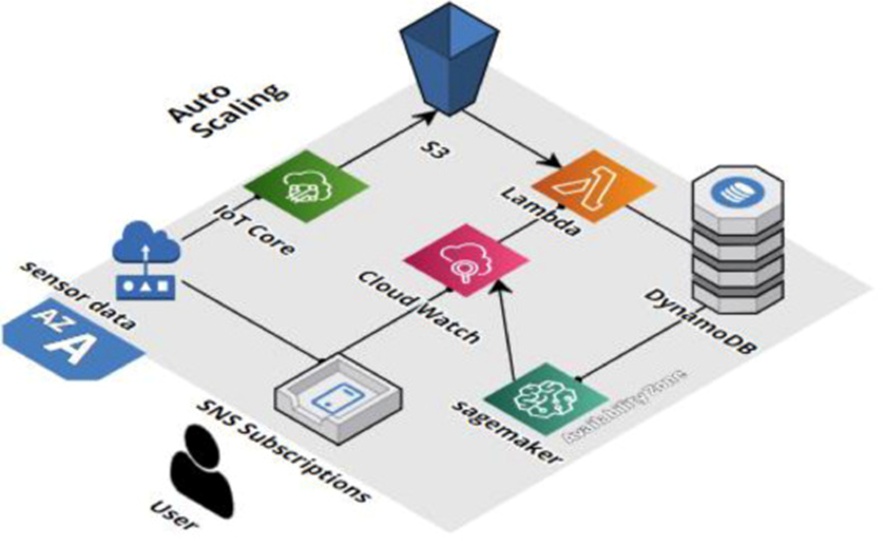
Figure 5. Elasticity architecture of the AWS Service ensemble.
DynamoDB is a thoroughly stewarded NoSQL persistence service engineered to withstand planetary-scale loads and high transactional throughput. Its intrinsic capacity modulation autonomously dials read and write provisioning to absorb traffic undulations without any degradation in responsiveness. Amazon SageMaker is an exhaustively managed machine learning platform that enables the development, training, and deployment of predictive models at scale. It can laterally broaden its footprint to shoulder both instructional and inferential computational burdens across numerous processing instances. AWS Lambda operates as a serverless computational runtime that auto-expands to handle inbound invocation surges, scaling out to manage higher concurrency as demand balloons. Its consumption-based cost-recovery construct empowers users to achieve capital-efficient scalability that mirrors genuine utilization, eliminating the waste of pre-provisioned surplus.
The AWS IoT Core suite comprises five utility pillars that collectively address the full spectrum of IoT device requirements: bridging endpoints to the AWS cloud, administering device fleets, facilitating over-the-air (OTA) firmware updates, and hardening IoT device security postures. It uses the TLS handshake protocol to encrypt all exchanged traffic. The constituent utilities within this framework include rules, topics, shadow services, AWS IoT Device Defender, and AWS IoT device management. The Rules engine (Figure 6) empowers the IoT devices, purpose-built for intelligent livestock oversight, to engage bi-directionally with various AWS services.

Figure 6. IoT Core Rule designed to fire an SNS alert should the HR metric breach a preset ceiling of 150, sourced from the topic sensor/data.
A subset of the rule specifications operationalized within the apparatus is enumerated below:
i. Sieving inbound telemetry streams from IoT endpoints.
ii. Emulating the behavioral output of an IoT sensor (Figure 7)
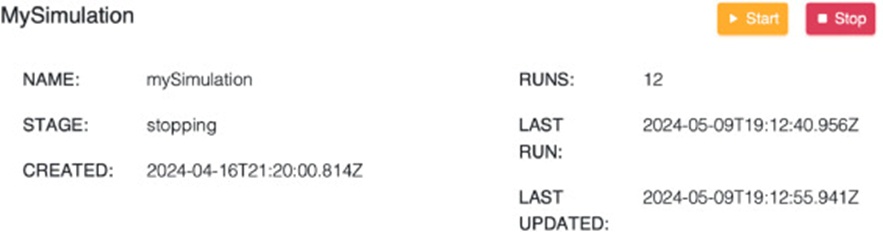
Figure 7. Emulation of a live IoT sensor tasked with stochastically generating values mapped to the HR attribute.
iii. Segregating and archiving data payloads by typology across heterogeneous database backends.
iv. Dispatching user-facing alerts under predefined conditional states (exemplified by the materialization of anomalous episodes throughout the monitoring continuum)
v. Conducting instantaneous digestion of message queues emanating from a multitude of IoT endpoints.
vi. Configuring threshold alarms to caution the operator upon breaching preordained parameter boundaries (for instance, when an IoT device’s energy reserve dips to a critical stratum, or upon detecting an escalation in the subject’s HR as depicted in Figure 8)
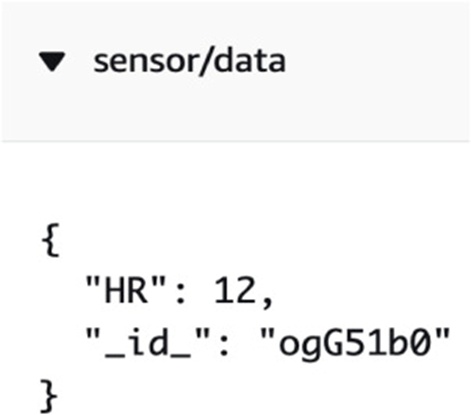
Figure 8. Alarm dispatch triggered for telemetry filtered via the stipulated IoT Core Rule, flagging HR readings exceeding 150.
vii. Routing payloads from a Message Queuing Telemetry Transport (MQTT) topic into a machine learning pipeline to render forecasts grounded in the algorithmic construct.
viii. Streaming data to a visualization console.
The Lambda function behaves as a stateless execution fragment, invokable by a spectrum of event producers spanning both the interior and exterior of the AWS ecosystem. It enables auto-scaling of application logic while obviating the need for capacity forecasting. In contrast to an EC2 virtual machine, a Lambda instance is single-purpose and ephemeral, typically lasting only a few minutes. It supports rapid horizontal scaling, fielding hundreds of concurrent invocations with negligible platform maintenance overhead. Within the ambit of the livestock supervisory apparatus expounded in this manuscript, Lambda functions discharge the following operational responsibilities:
Persisting designated metadata elements—such as a distinct identifier, the target S3 receptacle and retrieval key housing the recorded frame, an approximate capture timestamp, and related descriptors—into Amazon DynamoDB. Replicating IoT sensor behavioral signatures by modulating randomized output values to conform with a stipulated emission cadence.
DynamoDB (Figure 9) embodies a serverless architectural construct designed for event journaling. Informational payloads residing in this repository are routed to a live operational visualization panel, thereby providing actionable analytical perspectives. DynamoDB, distinguished by its high transactional throughput and autonomic capacity modulation capabilities, efficiently processes massive data streams from numerous IoT peripherals, safeguarding the apparatus’s continued responsiveness [44, 45]. Its NoSQL data representation paradigm is ideally suited to the heterogeneous spectrum of sensor-derived telemetry, while its intrinsic high durability and availability provide stalwart information governance. The fluid interoperability it shares with the broader AWS service catalog enables the realization of a tightly integrated IoT supervision mesh, and its low-latency transaction processing secures time-sensitive wellness interventions. Amazon Pinpoint unlocks potent communication and recipient engagement via omnichannel messaging channels, a capability of cardinal importance for live-stream alert dissemination and customized notification delivery pegged to discrete data thresholds [46]. The integration of AWS IoT Core and Lambda triggers instantaneous anomaly alerts, bolstering automated wellness verification and time-scheduled notification dispatches. Granular analytical introspection into message relay success rates and recipient engagement patterns helps hone communicative strategies, ensuring that mission-critical advisories receive prompt attention. Pinpoint’s innate scalability comfortably covers extensive livestock operations, delivering precision-targeted messaging to streamline health governance. In concert, DynamoDB and Amazon Pinpoint deliver a robust, scalable, and operationally efficient platform for livestock health surveillance, elevating animal welfare and pastoral productivity through effective data stewardship and real-time communication reach.
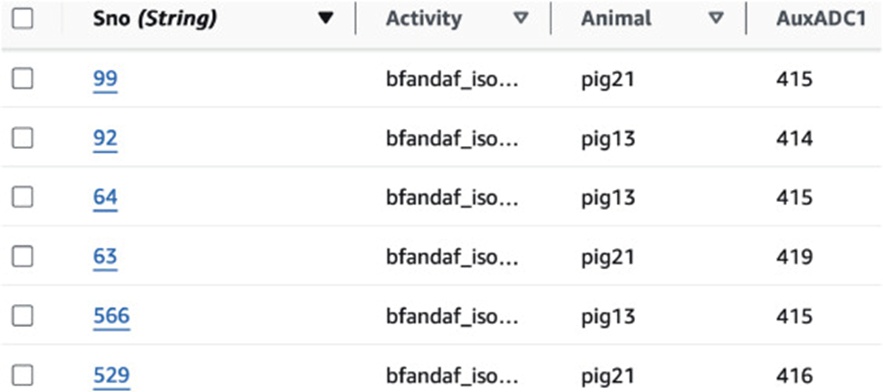
Figure 9. DynamoDB instantiates tables competent at ingesting and summoning arbitrary data volumes while servicing any tier of petition throughput.
Amazon Pinpoint, as a communication orchestration utility, establishes connections with end recipients across a variety of channels—spanning email, SMS, push notifications, and voice delivery (Figure 10). This service offering is leveraged to infuse outbound dispatches with precisely tailored content payloads [47]. It disseminates push-based alerts to the intelligent livestock application using pre-registered authorization credentials that empower PinPoint to transmit them. The nature of the supplied credentials depends on the target operating environment. For iOS deployments, an SSL certificate token is provisioned; this certificate grants the PinPoint service the authority to propagate messages to the intelligent livestock application instances. For Android deployments, a web API key is provided. These credential artifacts bestow upon the PinPoint service the necessary legitimacy to forward notifications to the intelligent livestock application ecosystem. AWS AppSync assumes responsibility for synchronizing and mutating live data across web interfaces, mobile app surfaces, and the cloud substrate. Complementarily, it empowers applications to manipulate data resident on mobile endpoints even under disconnected operational states.
![Figure 10. A screen capture illustrating the instantiation of an IoT rule that promulgates an alert communiqué to the operator consequent to HR readings surpassing the predefined threshold marker of 150 [48].](https://pubsys.eshragh.co/storage/files/pub-article/51be2093-4074-46e4-a066-e78c53688299-k3p4lI0LRsd7lenP/image.jpg)
Figure 10. A screen capture illustrating the instantiation of an IoT rule that promulgates an alert communiqué to the operator consequent to HR readings surpassing the predefined threshold marker of 150 [48].
Longitudinal data repositories that have fallen into disuse may be migrated to S3 Glacier, an archival tier purpose-built for the custodianship of infrequently accessed information assets. Because information stored in S3 Glacier is not instantly retrievable, it resides in a dormant, archived state. Should operational need dictate, the dormant data can be decompressed and transferred back to an active S3 bucket. Amazon SageMaker subsequently commandeers the information stored in S3 to assemble, train, and deploy inferential modeling pipelines [49]. In the pursuit of charting the anticipated cardiac rhythm trajectory of the livestock cohort, the predictive engine receives instruction, ingesting as input variables the creature’s thermal state, heart rate, solitary confinement status, and cohabitation pairing arrangement. In a parallel analytical thrust, beyond the categorical binning of animal health statuses, a regression modeling exercise is conducted to generate short-horizon forecasts of the forthcoming volumetric dairy yield per beast.
An assembly of sensor clusters, computational logic blocks, and energy supply modules harvested biometric readings from livestock encompassing thermal state, ambient moisture, and cardiac pulsation frequency. The communicative pathway within each livestock IoT node operates under a device-to-edge paradigm, leveraging NB-IoT protocols [50]. Every IoT endpoint deployed across the pastoral installation operates behind rigorously enforced firewall policies. The heterogeneous array of fielded sensory instruments is formally enrolled before the overarching framework is initialized, as a security precondition. Livestock IoT endpoints are deliberately prevented from establishing inter-device communication within the farm boundaries or with external devices, thereby ensuring the autonomous, isolated operation of each sensor unit. Under circumstances where an IoT node is unable to establish a link to the IoT edge layer, or where extraneous factors impede telemetry transmission, the device retains the capacity to buffer sensor captures until connectivity is restored locally. Upon re-establishment of the communication channel, the IoT endpoint will dutifully relay the accumulated, time-current data payloads.
The AWS IoT Core, characterized as an Internet of Things (IoT) open-source edge runtime coupled with a cloud service that aids in constructing, fielding, and administering device-side software, was commandeered for governing localized processes, orchestrating communication and synchronization within designated device cohorts, and shuttling authentication tokens between the Edge tier and the cloud substrate, thereby functioning as a central hub or gateway within the Edge stratum. The communicative paradigm operating here is Edge-to-Cloud, riding atop TCP-rooted protocols. Its constituent elements include an MQTT Broker, a Local Shadow Service, AWS Lambda, a Metadata repository, and Trained Models. AWS IoT Core was harnessed to discharge the following functional mandates:
i. Digesting high-velocity data torrents and autonomously funnelling them cloud-ward via Lambda execution triggers (AWS Lambda);
ii. Lambda routines harness the Nb IoT protocol suite to broker linkages between livestock IoT endpoints and the cloud, employing device-level authentication and authorization mechanisms (Metadata);
iii. Rollout of cloud-instructed machine learning constructs executing regression analyses to prognosticate the residual energy budget of the battery as a function of the specific duty cycle and computational load of the supervisory livestock apparatus (Trained Model);
iv. Refreshing group-wide configurations via secured over-the-air (OTA) firmware distribution.
The engineered scaffold underwent rigorous validation against three distinct volumetric tiers of data; the information corpora encompass dimensions of 318,713×44, 320,713×44, and 322,713×44, corresponding to scenarios 1, 2, and 3, respectively.
The operational yield harvested from Lambda, graphically manifesting a) fault incidence and success ratio (%); b) throttling events; c) invocation counts; d) execution timespan; e) aggregate simultaneous executions, across the trio of graduated farm-scale scenarios, is catalogued as follows.
One may deduce from Lambda metric streams that an elevated success ratio indicates that Lambda functions are performing as designed and competently fielding inbound request loads amid swelling data volumes (Figure 11).
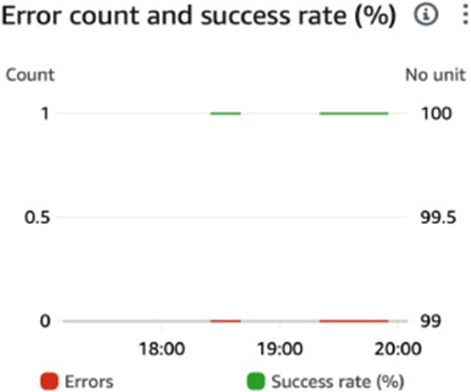
Figure 11. Lambda operational output rendering success ratios under data ingestion load for scenario 1.
Throttle trace lines (Figures 11-13) that either bisect or graze the horizontal axis demarcate temporal junctures at which Lambda invocations encountered regulatory clamping. The projection of these trace lines along the horizontal axis corresponds to the chronological marker or time window during which throttling constraints were imposed.
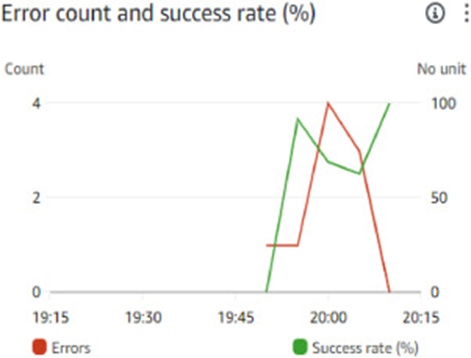
Figure 12. Lambda operational output portraying fault ratios and success ratios under data ingestion load for scenario 2.
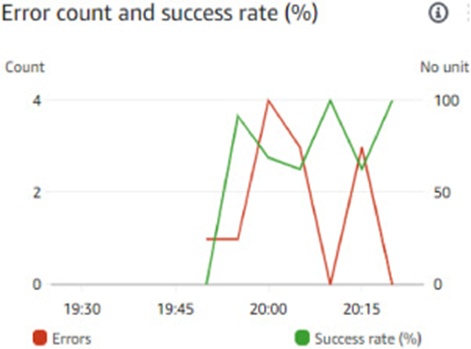
Figure 13. Lambda operational output portraying fault ratios and success ratios under data ingestion load for scenario 3.
The visual evidence above confirms that the Lambda function is discharging its duties with both operational fluency and functional efficacy, unimpeded by any ceiling on the volume of concurrent executions it can handle. It is equally manifest that the application possesses the capacity for effective lateral scaling, adapting to fluctuating computational burdens without being bottlenecked by concurrency caps. AWS Lambda is exploiting the provisioned resource envelope—spanning memory, processor cycles, and network fabric—to its full potential, thereby optimizing the throughput of each function execution.
Figures 14-16 collectively illustrate that the Lambda function is activated in lockstep with each triggering service event. In this operational context, upon every new data ingestion event landing in S3, the Lambda function is invoked and autonomously expands its footprint to gracefully handle incoming petition surges. As invocation density escalates, AWS Lambda dynamically modulates the resource allocation to discharge the computational load with optimal efficiency.
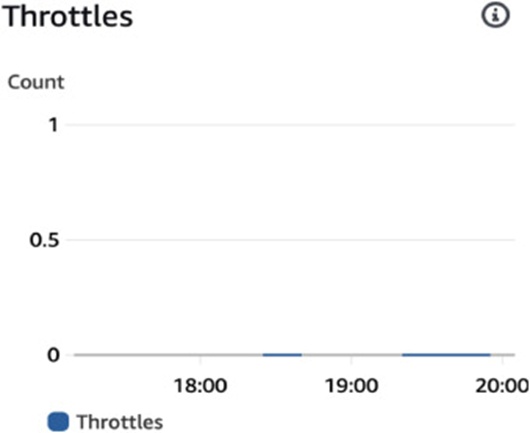
Figure 14. Quantification of Lambda function throttling events under a light data ingestion profile.
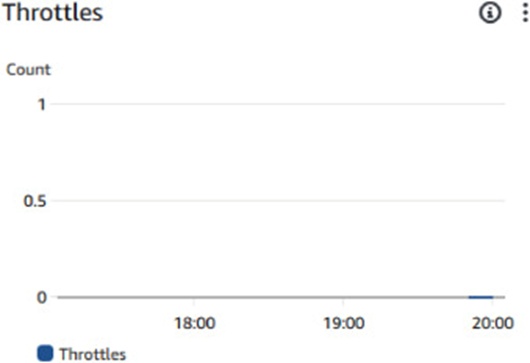
Figure 15. Quantification of Lambda function throttling events under a moderate data ingestion profile.
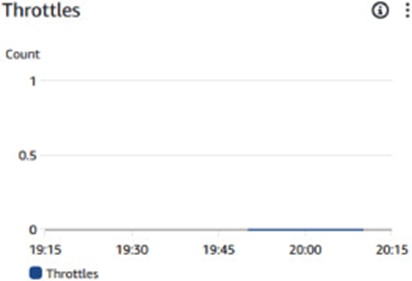
Figure 16. Quantification of Lambda function throttling events under a heavy data ingestion profile.
Within the AWS Lambda paradigm, the metric “duration” encapsulates the time interval a Lambda function consumes during a single invocation, from initiation through completion (Figures 17-19). This span subsumes the latency incurred in initializing the execution sandbox, executing the function’s embedded logic, and managing any outbound network calls or asynchronous task handoffs.
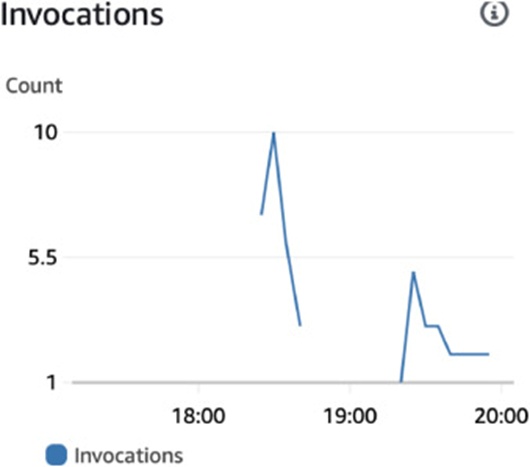
Figure 17. Scrutiny of Lambda invocation patterns under a light data ingestion regime.
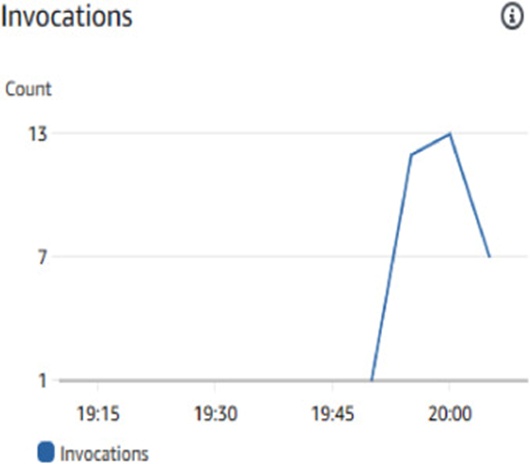
Figure 18. Scrutiny of Lambda invocation patterns under a moderate data ingestion regime.
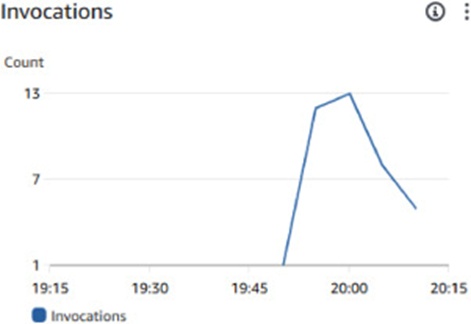
Figure 19. Scrutiny of Lambda invocation patterns under a heavy data ingestion regime.
Refining source code efficiency, fine-tuning memory provisioning, and calibrating concurrency parameters can collectively yield measurable gains in throughput, reduced expenditure, and enhanced user-facing responsiveness within serverless application ecosystems.
Figures 20-22 render the aggregate concurrent executions that materialized across the monitoring window. Apical points in the graphical profile mark intervals during which the sum of parallel executions attained its zenith. Such crests typically coincide with epochs of elevated request traffic, intensified computational demand, or episodic activity spikes.
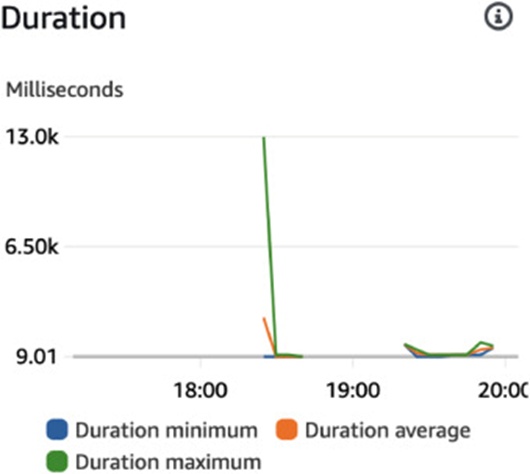
Figure 20. Fluctuation in execution time span for test case 1.
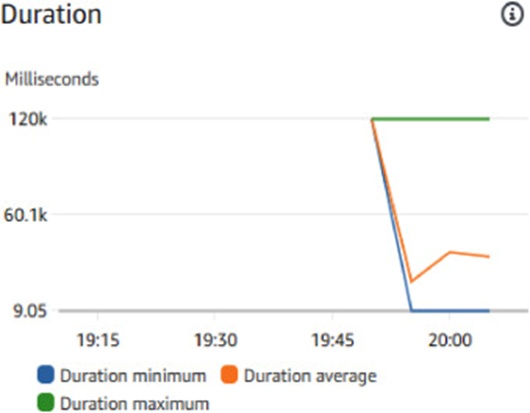
Figure 21. Fluctuation in execution time span for test case 2.
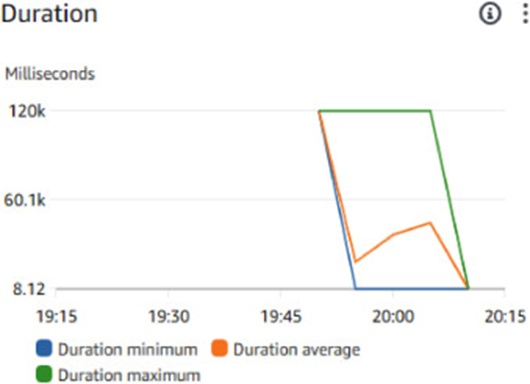
Figure 22. Fluctuation in execution time span for test case 3.
Anchored upon the AWS cloud substrate, which provisions upwards of 200 discrete service offerings, is the sentient livestock architectural framework. This catalog includes more than 20 administrative utilities, over 30 machine learning and data analytics engines, and more than 13 persistence and warehousing services. The architecture advocated in this investigation leverages AWS serverless components to streamline the construction of mission-critical data conduits that efficiently manage massive data streams from IoT endpoints. It simultaneously empowers the warehousing of vast repositories of unrefined sensor outputs and imagery in AWS S3 at a cost-conscious rate, while preserving unfettered access to both archival and freshly minted data assets. Figures 23-25 show the fault and success ratios recorded in CloudWatch, a facility used to analyze the operational performance and reliability of the construct.
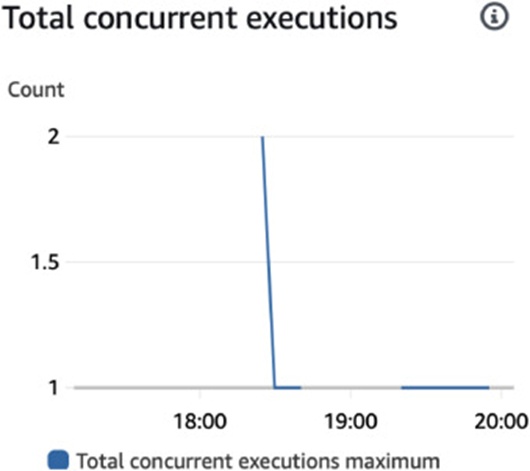
Figure 23. Aggregate Concurrent Executions under a Small Data Footprint.
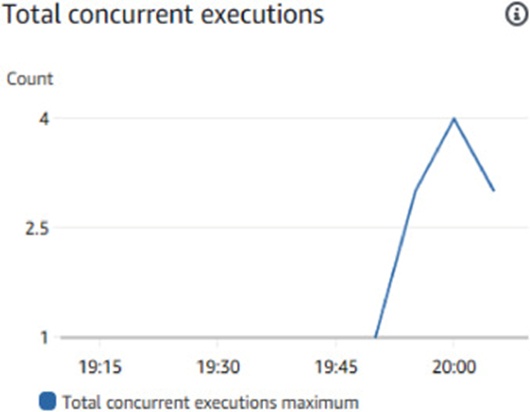
Figure 24. Aggregate Concurrent Executions under a Medium Data Footprint.
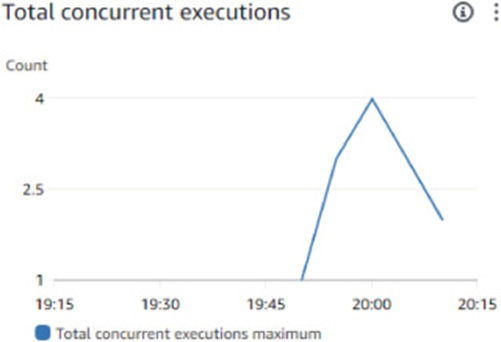
Figure 25. Aggregate Concurrent Executions under a Large Data Footprint.
The engineered predictive model forecasts cardiac rhythm by ingesting a spectrum of input variables, among them creature motility, thermal condition, ventilation cadence, and analogous parameters. Figures 26-28 delineate the forecasted and empirically observed HR magnitudes generated via SageMaker.
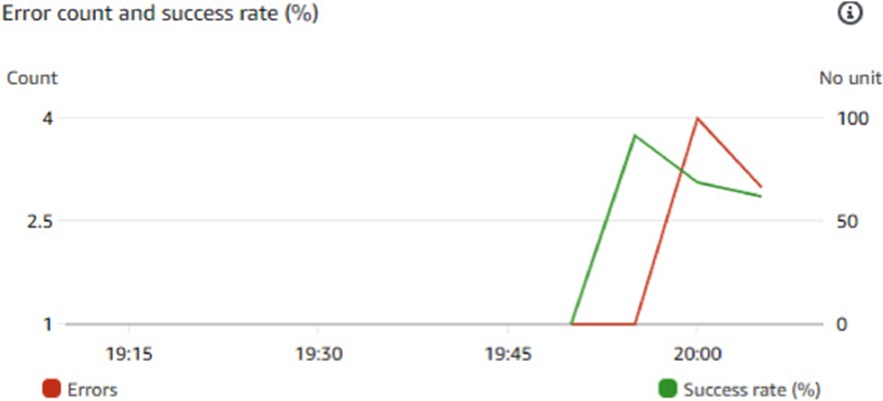
Figure 26. CloudWatch metric readout under a light data ingestion load.
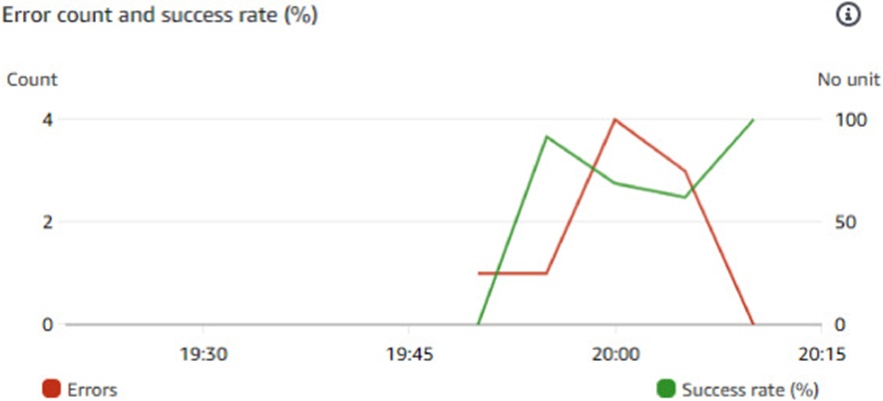
Figure 27. CloudWatch metric readout under a heavy data ingestion load.
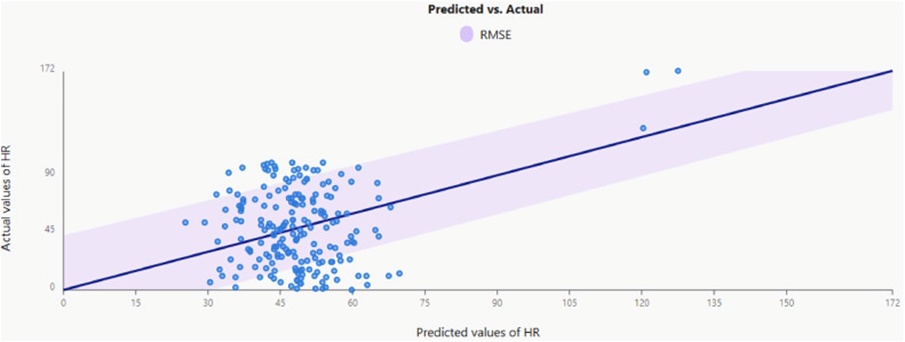
Figure 28. Graphical plot rendering the RMSE between forecasted and ground-truth HR magnitudes.
Amid the full constellation of attributes harnessed to forecast HR, the covariates exerting the most pronounced influence are the Breathing Waveform (Figure 29) and the Activity index (Figure 30).
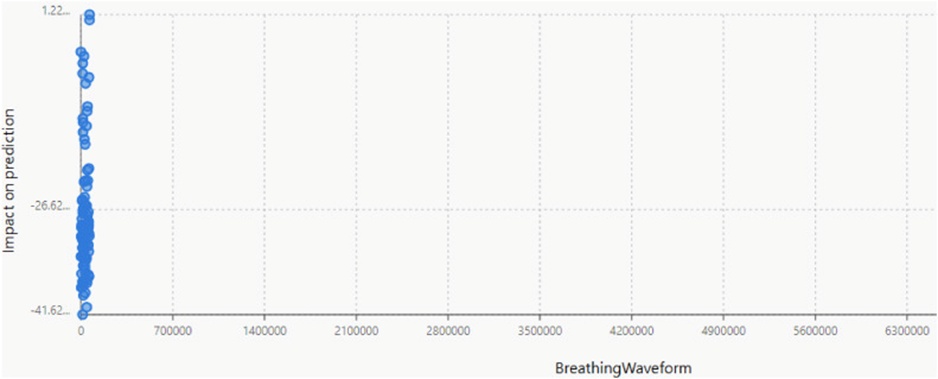
Figure 29. The rendered scatter traces the Breathing Waveform along the horizontal axis against its contributory weight in the predictive output along the vertical axis for HR forecasting.
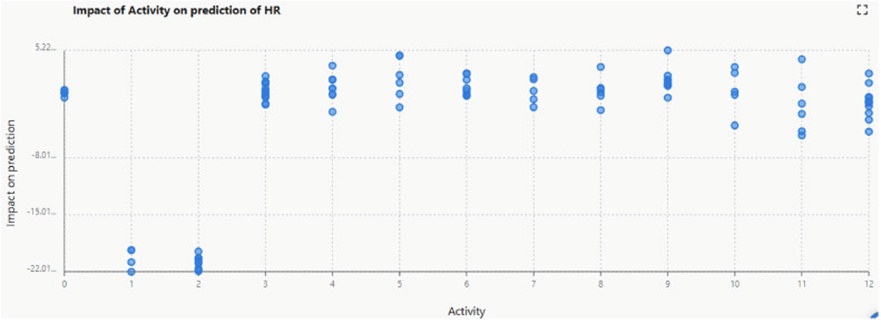
Figure 30. The graphical representation maps the creature’s Activity metric against its predictive leverage in the determination of HR magnitudes.
Our body of work comprises a portfolio of original contributions to livestock health surveillance. The fusion of AWS and Python for instantaneous data refinement and analytical computation offers an expandable, operationally efficient, and economically judicious solution that addresses the shortcomings inherent in legacy methodologies. The deployment of Narrow Band IoT (Nb-IoT) technology extends signal range and prolongs autonomous energy endurance, making the setup exceptionally suited to isolated and rural pastoral settings. Our operationalization of machine learning constructs via Amazon SageMaker for anticipatory wellness analytics constitutes a trailblazing advancement, enabling early flagging of nascent physiological disruptions using critical biometric markers. The apparatus’s instantaneous tracking and alarm capabilities furnish operators with immediate, operationally actionable intelligence, driving measurable improvements in animal welfare and farm management productivity. Complementarily, the cloud-native architecture’s innate scalability and configurational elasticity enable it to dynamically adapt to fluctuating counts of IoT peripherals and evolving herd demographics, vouching for its wide-ranging suitability across diverse operational scales. Exhaustive corroboration protocols and embedded perpetual learning loops further strengthen the apparatus’s ruggedness, positioning it as a vanguard solution in precision pastoralism.
The cloud-centric IoT framework’s innate configurability and robust data analytics backbone enable straightforward recalibration for health surveillance across a broad spectrum of faunal categories. By returning sensory array configurations, the platform can faithfully capture a suite of biometric channels—encompassing cardiac cadence, ventilatory rhythm, motility quotients, deep-body thermal state, and bodily orientation—for creatures such as equines, ovines, caprines, and free-ranging wildlife. This versatility ensures the platform maintains its efficacy across taxonomically diverse species with unique physiological monitoring imperatives. By way of illustration, the apparatus can be reconfigured to monitor horses by adjusting sensors to surface prodromal markers of colic, gait abnormalities, or pulmonary distress, thereby providing actionable diagnostic clues for equine clinicians and husbandry personnel. In sheep and goat herds, the platform can monitor cud-chewing cadences, thermal excursions, and locomotor patterns to address ailments such as pedal dermatitis, mammary gland inflammation, and endoparasitic burdens. Within the domain of wildlife conservation, the assembly can be mobilized to track the vitality and ranging behaviors of imperiled taxa within their indigenous biomes, equipping stewards to orchestrate prompt countermeasures that avert epizootic events or ameliorate stress-induced pathologies.
The embedded machine learning engines within the framework are amenable to retraining using species-tailored datasets, thereby sharpening their predictive precision and contextual relevance. This undertaking entails gathering foundational health metrics for the novel target species, routing the harvested information through the established data refinement conduit, and conditioning the algorithmic engines to discern the organism’s idiosyncratic wellness signatures. The pre-existing infrastructure underpins this workflow, making the broadening of the system’s applicability a comparatively frictionless endeavor. Bespoke engineering of sensor form factors and anatomical mounting strategies to accommodate morphological divergences across species is a pivotal prerequisite for both measurement fidelity and minimizing invasive interference. Concomitantly, hardening the apparatus to endure divergent environmental rigors—be they climatic extremes or topographical irregularity—will constitute a non-negotiable requirement for in situ wildlife deployments. Safeguarding the cloud-side fabric’s capacity to process the amplified data torrent generated by simultaneous multi-species oversight across far-flung geographies is indispensable for maintaining holistic platform responsiveness.
The domain of Internet of Things (IoT) ecosystems is characterized by a diverse array of sensors and transmission protocols that, in aggregate, provide the structural underpinnings for high-throughput operational environments. Standing at the vanguard of this technological frontier is the paradigm of digital twin constructs, architected to spawn virtual doppelgängers of tangible systems for exhaustive dissection and systemic refinement. This conceptual posture unlocks a deep-seated opening to elevate supervisory oversight and resource orchestration across a multitude of verticals, agriculture prominently included. Narrowing the lens to specific technological streams, LoRaWAN and NB-IoT distinguish themselves by their distinct competencies and synergistic integration prospects. LoRaWAN demonstrates particular mastery in enabling long-range signal propagation under stringent energy budgets, making it the modality of choice for instrumenting sprawling pastoral expanses where energetic frugality reigns. This protocol is a bedrock element of digital twin scaffolding, enabling telemetric surveillance and remote governance of assets operating under severe energetic constraints. In contradistinction, notwithstanding that NB-IoT may levy steeper upfront capital outlays and architectural intricacy relative to LoRaWAN, its superior signal penetration and energetic thrift confer substantial compensatory dividends. Set against the backdrop of digital twins, the vast amount of data required to faithfully mirror complex physical systems mandates robust, high-fidelity communication backbones. NB-IoT, buttressed by the infrastructure muscle of premier telecommunications carriers, delivers greater granularity in asset tracking and enables continuous telemetry harvesting from a diverse sensor constellation. This aptitude proves indispensable for live-stream analytics and the effective execution of preemptive maintenance regimens. The challenge of ensuring architectural tuning amid surging information inundation reaching the analytical core remains an open question. Confronting this gap will serve to lock in performance gains and drive down operational expenditure. Gazing toward the horizon, the fusion of IoT with digital twin conceptualizations has the potential to radically reconfigure the anticipatory faculties spanning innumerable disciplines. Marrying these tools to cutting-edge artificial intelligence (AI) and machine learning heuristics could incubate a new generation of self-correcting, autonomously modulating systems. Such entities would not merely echo contemporaneous states but would possess the capacity to prognosticate and dynamically reorient themselves toward emergent futures.
Within the arena of agricultural technology, automated cognitive livestock supervisory systems delineate a frontier yet to be fully conquered. While momentous technical strides have been made, the frictionless integration of these constructs into the quotidian rhythms of farm management, with negligible human supervisory overhead, remains an arduous undertaking. The present investigation has advanced the cause by measurably surmounting these impediments through the engineering and refinement of an intelligent livestock oversight architecture. Our exhaustive stress-testing of the system’s most mission-critical dimensions—spanning the gamut from sensory precision to network fortitude—has substantiated its sturdy operability and trustworthiness. These affirmative experimental verdicts authenticate the platform’s deployment readiness for broader uptake across pastoral enterprises. The seminal contribution of this manuscript is the articulation of an original IoT architecture, distinguished by its agnosticism toward the underlying IoT device stratum. This design ethos is not only pathbreaking but manifestly adaptive, embracing a wide gamut of data representation formats, broadening the potential for feature augmentation, and flexibly integrating heterogeneous communicative protocols. A cardinal merit of this architectural schema is its inherent capacity to ride the wave of emergent technological paradigm shifts. By isolating the IoT apparatus tier from the cloud substrate, we have created a system that can seamlessly onboard new hardware or update transmission standards without causing operational discontinuity. Such plasticity is a cornerstone for preserving the platform’s systemic durability and contemporary relevance as technological consensus evolves.
Furthermore, the strategic incorporation of Narrowband IoT (Nb-IoT) technology constitutes a linchpin of our systemic construct. Nb-IoT elevates the platform by driving down energy appetites—an attribute of central consequence for enduring, self-sustaining deployments in geographically isolated or logistically inaccessible settings. This technology simultaneously pushes the spatial coverage envelope well beyond the bounds of legacy monitoring regimes, achieving signal penetration into deep indoor recesses where conventional carriers frequently falter. In addition, the fundamental simplicity of Nb-IoT endpoints ensures that the apparatus remains administratively tractable and inherently scalable, even amid expanding farm footprints or fluid technological landscapes. These refinements, enabled by Nb-IoT, not only meet but exceed the prevailing mandates for contemporary livestock governance, delivering peerless levels of operational throughput, information reliability, and systemic scalability. This rigorous corroboration of the architectural blueprint marks a momentous waypoint along the trajectory toward self-regulating, cognitively augmented pastoral management frameworks and establishes a fresh benchmark for the sector, heralding enriched predictive analytics and operational efficiencies. The on-the-ground ramifications of these breakthroughs are far-reaching, heralding a pivot toward more anticipatory, precision-guided cultivation methodologies that stand poised to redefine the livestock husbandry paradigm in the decades ahead (Table 2).
Table 2. Compendium of AWS service offerings requisite to fulfill the feature stipulations enumerated within the Planning phase.
Features | AWS service |
Feature 1: A secure framework designed to prevent unauthorized access | AWS Device Defender |
Feature 2: A system capable of operating smoothly regardless of whether resources are connected or disconnected | AWS Greengrass |
Feature 3: Capability to manage fluctuations in network traffic, including increases and decreases | Auto Scaling |
Feature 4: Support for the simultaneous operation of more than 200 IoT sensors | IoT Core Services |
Feature 5: Accessibility of the framework in geographically remote locations | NB-IoT protocol |
Feature 6: Detection of abnormal behavioural patterns in animals | AWS CloudWatch |
Feature 7: Ability to analyze collected data and generate visual representations | AWS SageMaker, QuickSight |
Feature 8: Sending SMS alerts and notifications to farmers, veterinarians, and relevant authorities | AWS SNS |
Feature 9: Event recording and data storage capability | DynamoDB |
Feature 10: Provision of distributed cloud storage | AWS S3 |
The authors gratefully acknowledge the financial support provided by the Natural Sciences and Engineering Research Council of Canada and Agriculture and Agri-Food Canada’s Sustainable Canadian Agricultural Partnership program. We also extend our sincere thanks to Professor Israat Haque from the Faculty of Computer Science at Dalhousie University for her valuable insights, critical remarks, and thorough review of our manuscript, which significantly improved its readability.
None
None
The data used in this study comes from our previously published work:
Neethirajan, S., 2023. AI in sustainable pig farming: IoT insights into stress and gait. Agriculture, 13(9), p.1706.
All animal research procedures in the previously published work were approved by the relevant ethics committees and conducted in accordance with the guidelines and regulations for animal research. The study was approved by the Animal Care and Use Committee of the Department of Animal Sciences at Wageningen University & Research, under approval number 20210521ADP. The research adhered to the ethical standards set forth by the Central Committee on Animal Experiments (CCD) and the Animal Experiments Department (IVD) of the Netherlands. The care and use of animals in this study complied with the principles of the Care of Animals Used for Scientific Purposes (CARUS), and all necessary measures were taken to minimize animal suffering and ensure their well-being.
Open Access The author(s) retain copyright. This article is licensed under the Creative Commons Attribution-NonCommercial-ShareAlike 4.0 International License. It may be shared and adapted for non-commercial purposes with appropriate attribution, an indication of changes, and distribution of adaptations under the same license. Third-party material may be subject to separate terms identified in its credit line. View the license at https://creativecommons.org/licenses/by-nc-sa/4.0/.
 Agro Intelligence Research Press